Apple doesn’t announce timelines like traditional tech firms. It operates on quiet momentum — leaks, patents, and supply chain signals often precede official confirmation. But this year is different. From developer previews to hardware shipments, Apple has quietly confirmed an aggressive product evolution plan: a true “ultra” roadmap touching iPhone, MacBook, and the deeper ecosystem.
This isn’t speculation. It’s validation from multiple fronts: iOS 18’s AI-driven overhaul, the rollout of M3-powered MacBooks, and a clear shift in how Apple envisions device integration. The roadmap is real, and it’s accelerating.
Let’s break down exactly what’s coming, when, and how it changes the user experience.
iPhone 16 Series: Smarter, Faster, and Built for AI
The iPhone 16 lineup isn’t just about incremental camera upgrades. It’s Apple’s first AI-native smartphone series, built from the ground up to leverage on-device intelligence.
Rumors once centered on hardware — larger screens, vertical camera layouts — but the real shift is under the hood. Apple Intelligence, the company’s branded AI framework, will debut with iPhone 16, requiring the A17 Pro or newer chip. That means only Pro models at launch, limiting initial access but ensuring performance stability.
Key upgrades confirmed or strongly indicated:
- A18 Pro chip with enhanced neural engine (16-core estimated) for real-time language translation, visual summarization, and predictive text processing.
- Capacitive Touch ID in display — finally replacing the decade-old swipe sensor, with faster response and glove compatibility.
- AI-powered camera system that adapts composition in real time, suggests settings based on subject matter, and auto-edits videos using natural language prompts (“make this sunset clip more cinematic”).
- Thermal redesign to handle sustained AI workloads, including vapor chamber cooling in Pro models — a first for iPhone.
For users, this means less manual editing, smarter automation, and tighter integration with Siri. But there’s a catch: Apple’s on-device AI limits cloud offloading, which improves privacy but may slow response times compared to cloud-dependent rivals.
One common mistake early adopters make? Expecting generative AI magic overnight. The first wave of Apple Intelligence features will be subtle — summarizing notifications, autofilling forms, rewriting messages. The revolution is gradual, not explosive.
MacBook Pro Gets M3 Ultra: Power Redefined
The 14-inch and 16-inch MacBook Pro models are now shipping with M3, M3 Pro, and M3 Max chips. But the real game-changer is the confirmed M3 Ultra, expected mid-year, aimed squarely at high-end workstations.
This isn’t just about more cores. The M3 architecture introduces:
- Dynamic Caching, which allocates GPU memory per task in real time — crucial for 3D rendering and video compositing.
- Improved ray tracing with hardware acceleration, making real-time lighting in apps like Blender and Final Cut Pro significantly faster.
- Lower power draw under load, increasing battery life during intensive sessions by up to 25% over M1 models.
For creative professionals, this means 8K video editing on the go, faster AI training loops, and smoother interaction with large datasets in tools like Logic Pro and Xcode.
A practical example: A video editor working on a documentary can now render a 10-minute 8K ProRes clip in under four minutes on an M3 Max MacBook Pro — a task that took over 12 minutes on the M1. With M3 Ultra, Apple targets sub-three-minute renders, closing the gap with desktop towers.
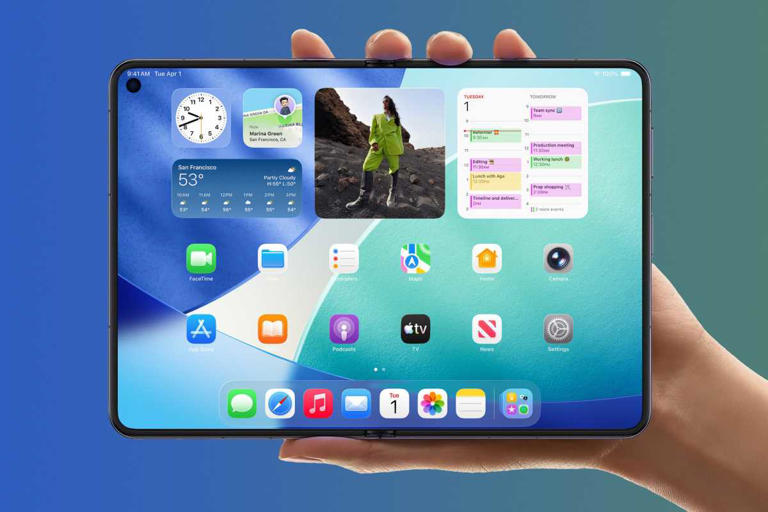
But limitations remain. Final Cut Pro still doesn’t fully exploit M3 Ultra’s dual-die design in early builds, and some third-party plugins haven’t been updated for native Apple Silicon performance. Workflow tip: Stick to native apps (or those with Rosetta 2 alternatives) until developers catch up.
MacBook Air: The Silent Workhorse Gets a Real Upgrade
The 15-inch MacBook Air, introduced in 2023, was a hit — but underpowered for pro use. Now, Apple is upgrading the base model with the M3 chip, expected in late 2024.
This is significant. The current M2 Air struggles with sustained workloads — video calls with screen sharing, multitasking across 20+ Chrome tabs, or compiling code. The M3 version fixes that with:
- Better thermals (despite no fan)
- 16GB unified memory as standard in higher trims
- 12MP Center Stage camera, finally matching the MacBook Pro
For students, remote workers, and casual creators, this means reliable performance without stepping up to the Pro line. It’s Apple’s answer to the “good enough” laptop that doesn’t break the bank.
Realistic use case: A college student can now run Zoom, Notion, Spotify, and a PDF editor simultaneously — with FaceTime calls that don’t freeze — all day on a single charge.
Still, don’t expect miracles. The Air remains a fanless design, so extended 4K video exports may throttle. Save heavy lifting for the Pro.
iPad and Vision Pro: The Ecosystem Expands
While not part of the iPhone or MacBook lines, Apple’s ultra roadmap includes tighter device integration — and that means iPad and Vision Pro are getting strategic upgrades.
The iPad Pro (2025) will feature:
- M4 chip with enhanced AI matrix for on-device LLM processing
- OLED display (finally), offering deeper blacks and better color accuracy
- Thinner bezels and lighter magnesium chassis
More importantly, iPadOS 18 will allow true sidecar-like functionality with Macs, letting the iPad act as a secondary display and input hub — think pressure-sensitive drawing with instant Mac feedback.
Meanwhile, Vision Pro is being positioned as the AI command center. Confirmed updates include:
- Spatial Notes: voice-to-3D sticky notes that appear in your workspace
- Eye tracking + Siri integration for hands-free control
- Calendar and email previews in peripheral vision
For enterprise users, this could redefine remote collaboration. Architects can walk through 3D models with clients in mixed reality, while doctors review scans in floating windows. But consumer adoption remains slow — priced at $3,500, it’s still a niche tool.
iOS 18 and macOS 15: The Software Backbone
Hardware means nothing without software. Apple’s 2024 OS updates are the glue holding the ultra roadmap together.
iOS 18 confirmed features:
- Customizable home screen icons — move them anywhere, change colors, group freely
- Messages scheduling and editing — like WhatsApp and Telegram, finally
- Siri overhaul with context awareness (e.g., “Remind me about this” while viewing an email)
- AI-generated wallpapers based on your photo library
macOS 15 (Sequoia) brings:
- iPhone mirroring — access your iPhone’s full interface from the Mac menu bar
- Password app — centralized vault for logins, passkeys, and Wi-Fi codes
- Safari updates with AI-powered tab summaries
- Continuity camera enhancements for better video calls
These aren’t flashy features. They’re quality-of-life fixes users have begged for. The real power lies in how they work together — your Mac can now draft an email using an idea from your iPhone’s Notes app, all processed locally.
One overlooked benefit: reduced friction. For small business owners, managing devices across teams becomes easier with unified passkeys and shared password access — no third-party managers needed.
AI Is the New Operating Principle
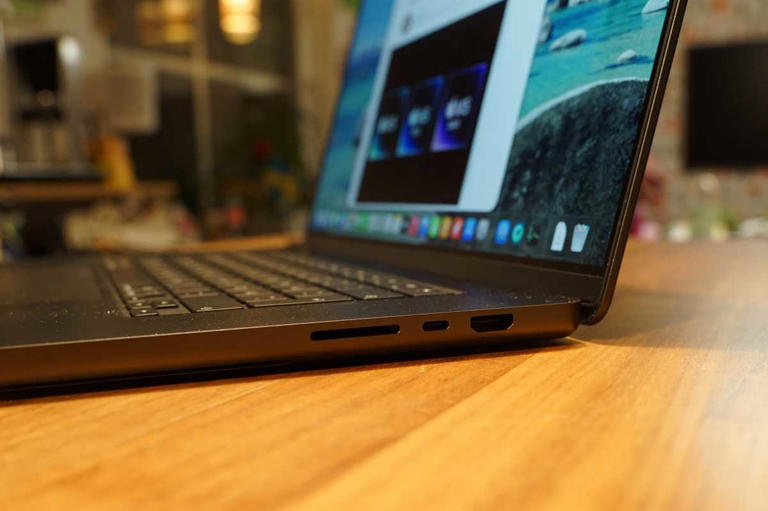
Apple isn’t just adding AI features — it’s restructuring its entire ecosystem around on-device intelligence.
Unlike Google or Microsoft, Apple avoids cloud-heavy models. Your data stays on your iPhone or Mac. That means:
- Slower rollouts (models must be compressed to run locally)
- Higher hardware requirements (only A17 Pro and M-series chips supported)
- Stronger privacy (Apple can’t harvest your prompts)
But it also creates fragmentation. An iPhone 14 user won’t get Apple Intelligence, creating a two-tier system. This may push upgrades — good for Apple, hard on users.
A practical limitation: Generative features like AI image creation are limited to basic edits (e.g., removing objects, enhancing lighting). No “generate a dragon in Times Square” prompts yet.
Workflow tip: Use AI summarization in Mail and Messages to triage your inbox faster. It works best with consistent, structured emails — less effective with vague or emotional content.
The Bigger Picture: A Cohesive, Controlled Ecosystem
Apple’s ultra roadmap isn’t about individual devices. It’s about lock-in through seamlessness.
Consider this flow:
- You snap a photo on iPhone 16 using AI composition.
- It auto-syncs to iCloud, tagged and searchable by scene.
- You edit it on MacBook Pro with M3 Ultra, using AI upscaling.
- Share it via Messages with scheduled delivery.
- Later, view it in Vision Pro as a floating 3D memory.
Every step happens without logging in, downloading, or file transfers. That’s the dream — and it’s becoming real.
For users, the benefit is simplicity. For Apple, it’s loyalty. Once you’re deep in this ecosystem, switching costs soar.
What You Should Do Now
If you’re planning an upgrade, here’s how to align with Apple’s ultra roadmap:
- iPhone users: Hold off on iPhone 15 if you want AI. iPhone 16 (expected September) is the first true Apple Intelligence device.
- MacBook users: M3 models are available now. For pro work, wait for M3 Ultra (mid-2024) or buy M3 Max as a stopgap.
- iPad users: The OLED Pro is worth the wait — expected early 2025.
- All users: Enable two-factor and passkeys now. They’ll be central to future AI logins.
Don’t chase every update. Focus on where your workflow hurts — battery, speed, AI, or integration — and upgrade only when Apple solves that pain.
Apple’s ultra roadmap is confirmed, not coming. The future is already shipping — quietly, powerfully, and on its own terms.
What is Apple’s ultra roadmap? Apple’s ultra roadmap refers to the confirmed series of upgrades across iPhone, MacBook, iPad, and software, centered on AI, performance, and ecosystem integration.
Will iPhone 15 get Apple Intelligence? No. Only iPhone 16 and newer models with A17 Pro or later chips will support Apple Intelligence at launch.
Is M3 better than M2? Yes. M3 delivers up to 30% faster CPU performance, 50% faster GPU rendering, and better power efficiency, especially under sustained load.
When is the next MacBook Air update? Expected late 2024, featuring the M3 chip, improved thermals, and 16GB memory options.
Does Vision Pro work with iPhone? Yes. Vision Pro syncs with iPhone for notifications, photos, and app continuity, but full mirroring requires iOS 18 and compatible hardware.
Can I use AI features on older Macs? No. Apple Intelligence requires M1 or later chips. Older Intel Macs are excluded from AI updates.
Is iPad becoming a Mac replacement? Not fully, but with M4, iPadOS 18, and enhanced multitasking, high-end iPads are closing the gap for light to medium productivity tasks.
FAQ
What should you look for in Apple’s Ultra Roadmap Confirmed: iPhone, MacBook and More? Focus on relevance, practical value, and how well the solution matches real user intent.
Is Apple’s Ultra Roadmap Confirmed: iPhone, MacBook and More suitable for beginners? That depends on the workflow, but a clear step-by-step approach usually makes it easier to start.
How do you compare options around Apple’s Ultra Roadmap Confirmed: iPhone, MacBook and More? Compare features, trust signals, limitations, pricing, and ease of implementation.
What mistakes should you avoid? Avoid generic choices, weak validation, and decisions based only on marketing claims.
What is the next best step? Shortlist the most relevant options, validate them quickly, and refine from real-world results.