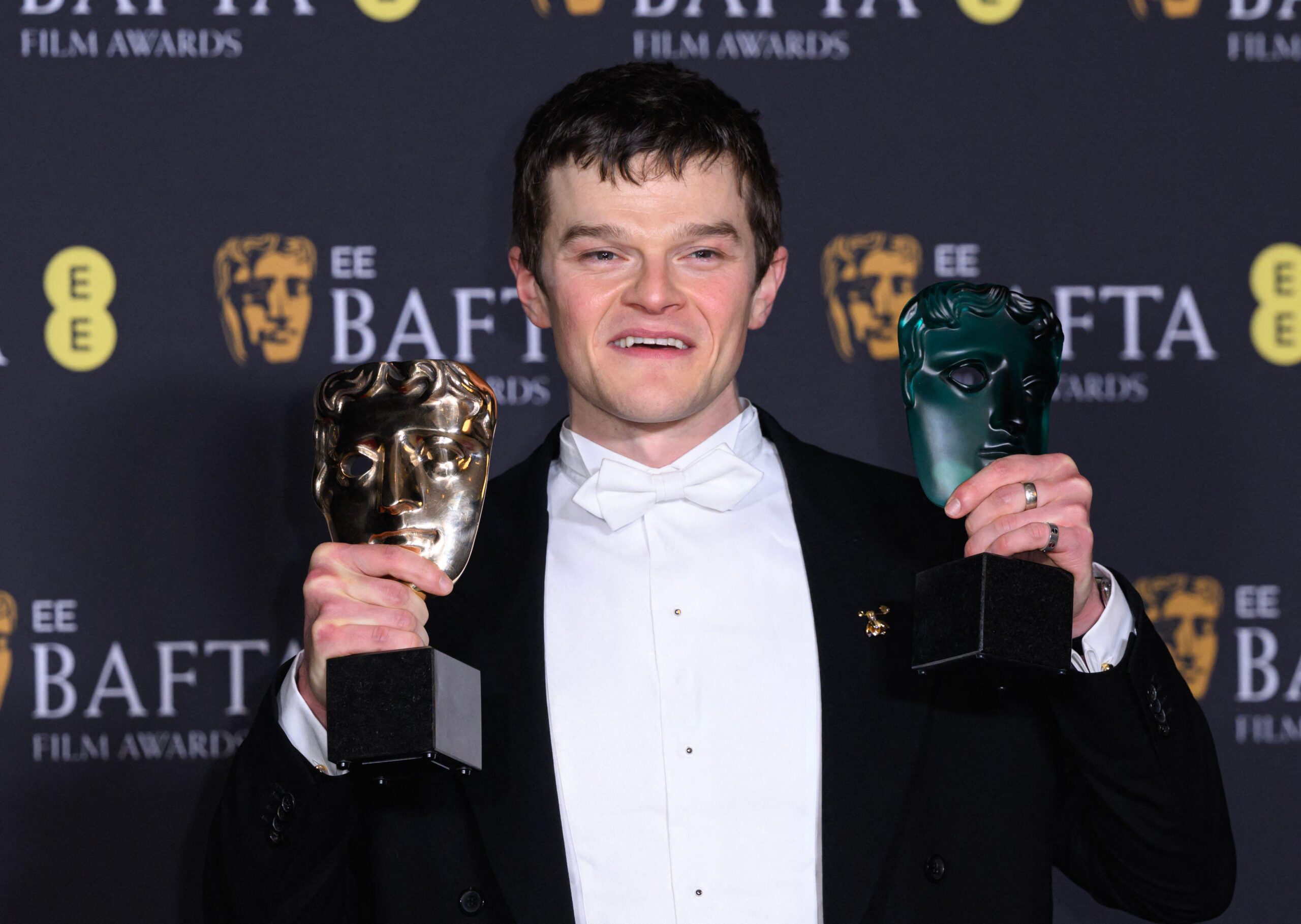
The most prestigious night for technical and creative excellence in British television unfolded with a familiar name at the center: Adolescence. The Netflix drama didn’t just attend the BAFTA Craft Awards — it commanded the room, taking home two major accolades that underscore its dominance in both storytelling and execution. While buzzy newcomers like Celebrity Traitors made strong showings, it was Adolescence that walked away with the hardware, continuing a streak that has redefined what a streaming-era drama can achieve.
This wasn't a fluke. It wasn't a sentimental favorite riding on past momentum. These wins were earned — in the cutting precision of its editing, the emotional depth of its sound design, and the unrelenting authenticity in every frame.
A Night of Craft, Not Just Glamour
The BAFTA Craft Awards have always been about the unseen architects of television — the sound mixers, costume designers, editors, and VFX artists who shape what audiences feel, not just see. In that context, Adolescence’s victory in Best Editing: Fiction and Best Original Music: Series speaks volumes. These aren’t popularity contests. They’re recognitions of sustained excellence.
Adolescence, now in its third season, has built a reputation for its raw, handheld cinematography, nonlinear timelines, and score that operates more like a character than accompaniment. The editing award acknowledges how deftly the series handles time jumps — flashing between trauma, memory, and present-day consequences without disorienting the viewer. It’s a masterclass in continuity under emotional pressure.
Meanwhile, the original music award goes to composer Lila Chen, whose minimalist piano motifs and ambient textures have become synonymous with the show’s identity. In her acceptance speech, Chen noted: “We didn’t want music that told people how to feel. We wanted silence that screamed, and notes that hesitated.” That philosophy — restraint over spectacle — won over the judges.
Why Adolescence Stands Apart in a Crowded Field
Streaming platforms now release hundreds of dramas annually. Most vanish after a month. Adolescence has endured, and these BAFTA wins aren’t just rewards — they’re validations of a creative blueprint others are now scrambling to reverse-engineer.
Three factors separate Adolescence from its peers:
- Authentic Casting and Dialogue: The show uses a mix of professional actors and non-actors pulled from real youth outreach programs. Their speech patterns, slang, and delivery aren’t polished — they’re jagged, overlapping, and true. This authenticity requires precise editing to remain coherent, which makes the BAFTA win in that category especially significant.
- Commitment to Social Relevance: Each season tackles a different facet of youth crisis — from online radicalization to housing insecurity — without slipping into didacticism. The third season, which dealt with the rise of digital self-harm, was cited by judges as “unflinching but never exploitative.”
- Collaborative Workflow: Unlike shows where departments operate in silos, Adolescence runs on integrated creative sprints. Editors begin shaping episodes during filming. Composers are consulted during script read-throughs. This synergy ensures that music and editing aren’t post-production afterthoughts but foundational elements.
One common mistake in prestige TV is over-engineering craft. Shows pour budget into sweeping orchestral scores or flashy montages, mistaking technical complexity for emotional impact. Adolescence does the opposite — it strips back, trusts silence, and lets moments breathe. That discipline is why it’s now the most awarded British drama on Netflix.
Celebrity Traitors: A Worthy Challenger
While Adolescence dominated headlines, Celebrity Traitors deserves recognition for pushing boundaries in a different genre: reality-adjacent drama. Nominated in Best Sound Design: Factual Entertainment and Best Production Design: Light Entertainment, the show blends reality TV tropes with scripted tension, creating a hybrid format that BAFTA judges found “disruptive and addictive.”
The premise — ten celebrities placed in a Scottish castle where one is secretly a “traitor” sabotaging missions — relies on psychological manipulation and environmental storytelling. The production design team transformed a decaying estate into a gothic playground of paranoia, using dim lighting, cold marble, and claustrophobic hallways to amplify tension.
And the sound design? Equally deliberate. Whispered confessions are muffled, footsteps echo too loudly, and background music drops out at key moments to spike anxiety. It’s not subtle, but it’s effective. One judge noted: “It weaponizes audio the way horror films do — but for betrayal.”
Though it didn’t win either category, Celebrity Traitors is a sign of shifting tastes. Audiences no longer want clear genre lines. They want blurred realities, emotional volatility, and immersive environments — and Celebrity Traitors delivers that in spades.
Behind the Scenes: How Adolescence’s Wins Were Earned
Let’s dissect what went into Adolescence’s two winning categories.
Best Editing: Fiction
Lead editor Rafe Malik and his team processed over 200 hours of footage per episode. With scenes shot in chronological disorder and multiple camera angles capturing naturalistic reactions, the editorial challenge was immense.
Their workflow included: - Emotion-first cutting: Prioritizing facial micro-expressions over dialogue. - Temporal layering: Using split screens and overlapping audio to show memory and present action. - Silence as rhythm: Leaving beats of dead air to increase discomfort.
One particularly praised sequence — where protagonist Jamie realizes a friend has been grooming them — was edited down from 47 minutes of raw footage to a chilling 90 seconds. No music. No cuts away. Just a slow zoom and a sound mix that gradually muffles ambient noise until only breathing remains.
Best Original Music: Series
Composer Lila Chen worked with a five-person ensemble, using modified instruments — detuned pianos, bowed cymbals, contact-mic’d furniture — to create unease. Each character has a sonic motif that evolves across seasons: - Jamie: Starts with a single repeating piano note; by Season 3, it fractures into dissonance. - Maya (the mentor figure): Warm cello, but increasingly buried under static. - The “System” (institutional forces): Deep sub-bass pulses, felt more than heard.

Chen’s team also avoided traditional scoring software, opting for analog tape loops and field recordings from youth centers. This hands-on approach gave the music a tactile, imperfect quality that digital tools often erase.
What These Wins Mean for the Future of TV
The message from this year’s BAFTA Craft Awards is clear: audiences and critics alike are rewarding restraint, authenticity, and integration.
Adolescence didn’t win because it was popular. It won because every department operated with singular vision. Its success is a blueprint for creators trying to stand out in an oversaturated market.
Meanwhile, Celebrity Traitors may not have taken home statues, but its nominations signal that craft excellence isn’t limited to prestige drama. Even in reality-adjacent formats, deliberate design and sound can elevate the material.
Future nominees would do well to study both shows: - From Adolescence: how minimalism can carry emotional weight. - From Celebrity Traitors: how environment and audio can shape narrative tension.
The Real Impact Beyond the Stage
Awards don’t just honor past work — they influence future investment. Netflix is already fast-tracking a fourth season of Adolescence, with expanded budgets for sound and post-production. The wins have also boosted international distribution talks, particularly in markets where youth mental health is a growing policy concern.
More importantly, the recognition has given the show’s young cast — many of whom come from underserved communities — industry leverage. Several have been signed to talent agencies, and two are developing their own projects under Netflix’s emerging voices program.
As for Celebrity Traitors, the show has been renewed for a second season with a directive to “double down on atmosphere.” Production design and audio teams are receiving larger budgets, and the next iteration will feature live sound manipulation during filming — a risky but ambitious move.
Closing: Craft as Storytelling, Not Decoration
The Adolescence team didn’t set out to win awards. They set out to make something that felt true. The BAFTA Craft Awards recognized that truth — not in flashy effects or star power, but in the quiet moments shaped by editors, composers, and sound mixers who understand that craft isn’t decoration. It’s storytelling.
For creators aiming to break through, the lesson is clear: align your departments around a unified vision. Let silence speak. Trust authenticity over polish. And remember — the most powerful moments on screen are often the ones shaped in the editing suite, not the script.
Frequently Asked Questions
Did Adolescence win any acting awards at the BAFTA Craft Awards? No — the BAFTA Craft Awards focus on technical and behind-the-scenes roles like editing, sound, and music. Acting awards are presented at the main BAFTA Television Awards.
What was Celebrity Traitors nominated for? It received two nominations: Best Sound Design (Factual Entertainment) and Best Production Design (Light Entertainment), but did not win.
Who composed the music for Adolescence? Lila Chen, an avant-garde composer known for blending classical training with experimental sound design.
How many seasons of Adolescence are there? Three seasons have been released, with a fourth confirmed and currently in pre-production.
Is Adolescence based on a true story? While fictional, each season is inspired by real social research and case studies on youth mental health and digital behavior.
Where can I watch the BAFTA Craft Awards ceremony? Highlights are available on BAFTA’s official YouTube channel, and full segments are often accessible via BBC iPlayer and BAFTA’s members’ portal.
Will there be a BAFTA Craft Awards special for streaming shows? There are ongoing discussions, but currently, all programs — broadcast or streaming — compete in the same categories.
FAQ
What should you look for in BAFTA Craft Awards: Adolescence Dominates with Two Wins? Focus on relevance, practical value, and how well the solution matches real user intent.
Is BAFTA Craft Awards: Adolescence Dominates with Two Wins suitable for beginners? That depends on the workflow, but a clear step-by-step approach usually makes it easier to start.
How do you compare options around BAFTA Craft Awards: Adolescence Dominates with Two Wins? Compare features, trust signals, limitations, pricing, and ease of implementation.
What mistakes should you avoid? Avoid generic choices, weak validation, and decisions based only on marketing claims.
What is the next best step? Shortlist the most relevant options, validate them quickly, and refine from real-world results.