Nigerian gospel artist Jaga has publicly challenged former Vice President Yemi Osinbajo’s critical stance on the prosperity gospel, reigniting a long-simmering theological debate in Africa’s largest Christian-majority nation. In a series of sermons and social media statements, Jaga defended the doctrine of financial blessing through faith, directly countering Osinbajo’s warnings about its potential to distort biblical truth.
Osinbajo, a seasoned lawyer and ordained pastor, has long voiced skepticism about prosperity preaching, calling it a “distortion of the gospel” during public engagements. But for Jaga, whose music often centers on breakthrough, divine favor, and material provision, such comments strike at the heart of lived Christian experience in Nigeria—where economic hardship and spiritual hope are deeply intertwined.
This clash isn’t just about theology. It reflects a broader cultural tension: Should the gospel promise material blessings? Can wealth be a sign of divine approval? And who gets to define orthodoxy in a nation where megachurches rival political institutions in influence?
The Roots of the Conflict: Doctrine vs. Lived Faith
At the core of Jaga’s rebuttal is a fundamental belief: God rewards faith with tangible provision. In a nation where over 60% of the population lives below the poverty line, the idea that divine intervention can unlock financial breakthrough isn’t fringe—it’s mainstream.
Jaga argues that Osinbajo’s rejection of prosperity theology ignores the everyday reality of Nigerian believers. “When a mother prays for her child’s school fees and receives it the next day, is that not prosperity?” he asked during a live-streamed gospel concert in Lagos. “When a man loses his job and God opens a new door with triple the pay—should we call that deception?”
For millions of Nigerians, these testimonies are not abstract. They’re personal. And artists like Jaga give them voice through music that blends praise with promises of divine turnaround.
Osinbajo, however, views the prosperity gospel as dangerously transactional. In a 2022 sermon at the Redeemed Christian Church of God, he warned that framing faith as a financial investment risks reducing God to a cosmic vending machine. “The gospel is not a means to an ATM,” he said. “Salvation is not measured in bank balances.”
Jaga’s Public Stand: Music as Ministry and Manifesto
Jaga didn’t respond through formal debate. He doubled down through art.
His latest single, Jehovah Jireh, released weeks after Osinbajo’s comments, features lyrics like: "No hunger, no lack, my God supplies all / I walk in overflow, I answer to His call."
On Instagram, he posted a 12-minute video titled “Why I Still Preach Prosperity,” where he cited biblical figures like Abraham, Job, and Solomon—men blessed materially after displaying faith. He also referenced New Testament passages like 3 John 1:2: “Beloved, I pray that you may prosper in all things and be in health, just as your soul prospers.”
“This isn’t about greed,” Jaga emphasized. “It’s about faith that works. Jesus didn’t just heal souls—He fed thousands, turned water into wine, and told His disciples they’d lack nothing. Why would He stop blessing materially today?”
Critics say Jaga’s interpretation cherry-picks scripture. But supporters argue he’s simply preaching hope in a context where many feel abandoned—by government, economy, and sometimes, the church.
The Prosperity Gospel in Nigerian Christianity: Beyond Controversy
To understand Jaga’s stance, one must see the prosperity gospel not as a foreign import, but as a deeply localized response to real suffering.
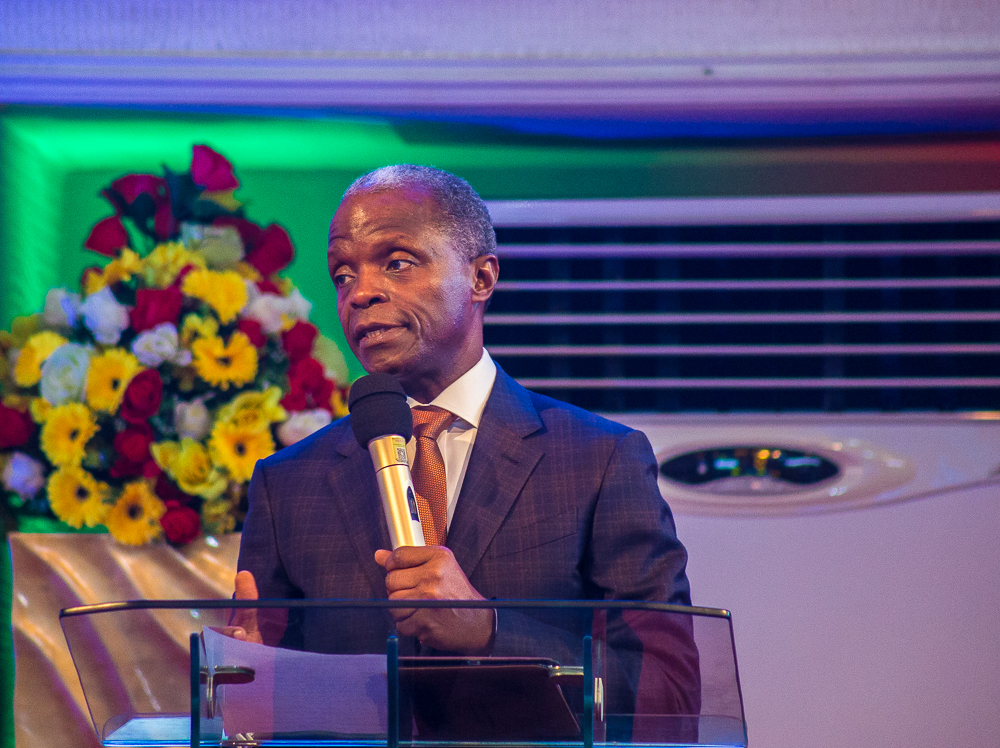
In Nigeria, where unemployment is rampant and inflation soaring, the idea that God intervenes financially isn’t fringe—it’s foundational in many churches. Mega-ministries like Winners’ Chapel, Christ Embassy, and House on the Rock attract millions with messages of divine prosperity, divine health, and supernatural promotion.
Jaga’s music fits squarely within this ecosystem. His songs are played at weddings, funerals, and business launches—not just in churches. They’re anthems of expectation.
Consider the case of Amina Bello, a small business owner in Kaduna. After years of struggling to keep her tailoring shop open, she started attending a church that taught prosperity principles. She began “sowing seeds” through donations and tithing, despite her tight budget. Six months later, she secured a government contract. “I don’t care what the vice president says,” she told a reporter. “God used Jaga’s music to keep me going. That contract was my miracle.”
This is the lived theology Jaga represents—one where faith is not just about eternity, but about surviving today.
Osinbajo’s Theological Position: Caution Against Excess
Yemi Osinbajo’s critique isn’t new. He’s spoken on this for years, often with measured tone and scriptural depth. As a Senior Pastor at the Redeemed Christian Church of God and a former law professor, his arguments carry weight in both religious and intellectual circles.
His primary concern? The commodification of faith.
In a guest lecture at the University of Lagos, Osinbajo highlighted how prosperity preaching can pressure the poor to give beyond their means. “When a widow gives her last 500 naira because she’s told it will trigger a million-naira blessing, that’s exploitation—not evangelism,” he said.
He also points to the lack of accountability among some prosperity preachers—the private jets, luxury homes, and unverified claims of miracles. “We must ask: who benefits from this message?” he warned.
But Jaga pushes back, arguing that not all prosperity teaching is the same. “Just because some pastors abuse it doesn’t mean the doctrine is wrong,” he said in an interview with a Christian radio station. “Should we reject prayer because someone fakes a miracle?”
The Divide Among Nigerian Believers
The tension between Jaga and Osinbajo reflects a deeper split in Nigerian Christianity:
- Urban, educated Christians often align with Osinbajo, valuing theological precision and social justice.
- Working-class and rural believers frequently resonate with Jaga, seeking immediate divine intervention in daily struggles.
Pastor Tunde Adekunle, who leads a mid-sized church in Ibadan, sees both sides. “Prosperity preaching gives people hope,” he said. “But when it’s the only message, we produce Christians who only come to church when they need something.”
He recalled a member who stopped attending after his business failed, despite months of “sowing seeds.” “He felt betrayed by God. That’s the danger—when faith becomes conditional on results.”
Can Both Sides Coexist?
The answer may lie not in choosing sides, but in reframing the conversation.
Jaga isn’t advocating greed. He’s testifying to what he believes is God’s active provision. Osinbajo isn’t dismissing miracles—he’s cautioning against distortion.
A balanced Christian message, some theologians suggest, should include:
- Spiritual prosperity: growth in character, peace, and purpose.
- Material stewardship: using wealth to bless others, not just accumulate.
- Suffering as part of the journey: not every trial is a sign of weak faith.
Jaga has begun to reflect this nuance. In a recent interview, he acknowledged that “not everyone will get rich,” but maintained that “God still rewards faith—sometimes in money, sometimes in peace, sometimes in doors opening.”
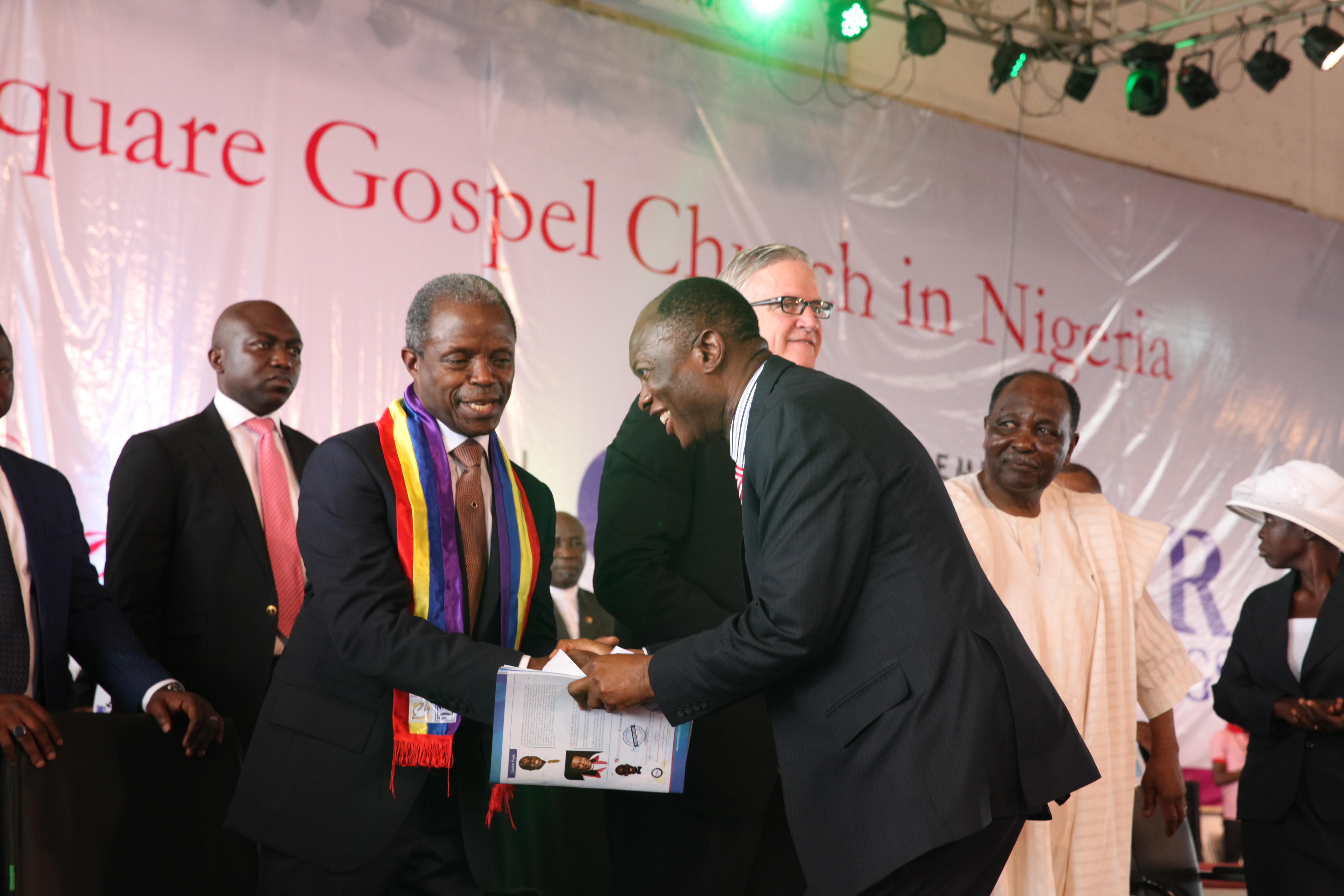
Osinbajo, meanwhile, has yet to respond directly to Jaga’s statements. But sources close to his ministry say he respects Jaga’s artistry, even if he disagrees with his theology.
Why This Debate Matters Beyond Nigeria
The clash between Jaga and Osinbajo isn’t just local. It echoes global tensions in modern Christianity.
In the U.S., figures like Joel Osteen and T.D. Jakes face similar criticism from theologians like John Piper and Tim Keller. In South Korea and Brazil, megachurch leaders promoting prosperity face backlash from more traditional denominations.
But in Africa, the stakes feel higher. With weak social safety nets, the church often becomes the only institution offering tangible hope. When a gospel singer says “God will pay your bills,” it’s not just theology—it’s survival.
And in that context, music like Jaga’s isn’t entertainment. It’s spiritual warfare. It’s encouragement. It’s belief set to rhythm.
Moving Forward: Respect, Dialogue, and Discernment The Jaga-Osinbajo divide doesn’t need resolution—it needs space.
Space for artists to testify honestly. Space for pastors to teach critically. Space for believers to discern without being shamed.
Church leaders can learn from this moment: Prosperity messages should be balanced with teachings on contentment, service, and suffering. Artists like Jaga can grow by acknowledging complexity—wealth isn’t always a sign of favor, nor is poverty a mark of unbelief.
And believers? They need tools to think theologically, not just emotionally.
- Ask: Is this message leading me closer to Christ—or just to cash?
- Test: Are the promises being made biblical, or just motivational?
- Observe: Do the teachers live what they preach, or profit from it?
The gospel, after all, is good news. But good news isn’t one-dimensional.
It speaks to souls in need of salvation. It speaks to bodies in need of food. It speaks to nations in need of justice.
Jaga hears it one way. Osinbajo another. Both may be partly right—and partly incomplete.
Final Thought
In a world of polarized takes, the most faithful response might not be to pick a side, but to hold tension with grace. Jaga’s music moves people not because it’s perfect theology, but because it resonates with real pain and real hope. Osinbajo’s warnings matter not because they silence, but because they protect.
The church needs both: artists who sing of breakthrough, and shepherds who guard the flock from wolves—even when the wolves wear glitter.
For believers navigating this debate, the path forward isn’t louder preaching, but deeper listening—to scripture, to suffering, and to the still, small voice that speaks even in the storm.
FAQ
Why did gospel singer Jaga reject Osinbajo’s views? Jaga believes the prosperity gospel is biblically valid and reflects real-life divine interventions many Nigerians experience.
What did Osinbajo say about the prosperity gospel? He criticized it as a distortion that reduces faith to a financial transaction and risks exploiting the poor.
Is the prosperity gospel biblical? It’s debated. Supporters cite verses on blessing and provision; critics argue it overemphasizes wealth and ignores suffering.
Does Jaga profit from prosperity teachings? As a gospel artist, his music aligns with prosperity themes, but there’s no public evidence he monetizes teachings directly.
Are other Nigerian pastors divided on this issue? Yes. Many megachurch pastors support prosperity theology, while mainline and academic pastors often oppose it.
Can someone believe in God’s provision without embracing prosperity gospel? Yes. Many Christians believe God provides spiritually and materially without treating faith as a wealth-generating formula.
How should believers respond to this debate? By studying scripture, seeking balanced teaching, and avoiding extremes of either greed or guilt.
FAQ
What should you look for in Gospel Singer Jaga Rejects Osinbajo’s Prosperity Gospel Critique? Focus on relevance, practical value, and how well the solution matches real user intent.
Is Gospel Singer Jaga Rejects Osinbajo’s Prosperity Gospel Critique suitable for beginners? That depends on the workflow, but a clear step-by-step approach usually makes it easier to start.
How do you compare options around Gospel Singer Jaga Rejects Osinbajo’s Prosperity Gospel Critique? Compare features, trust signals, limitations, pricing, and ease of implementation.
What mistakes should you avoid? Avoid generic choices, weak validation, and decisions based only on marketing claims.
What is the next best step? Shortlist the most relevant options, validate them quickly, and refine from real-world results.