Celebrities are not immune to cruelty. Behind the red carpets and flawless magazine covers, many A-listers endure relentless attacks about their appearance—attacks that aren’t just harmless jokes but emotionally devastating campaigns of online trolling. From body-shaming memes to doctored images and viral ridicule, the psychological toll is real, widespread, and often ignored.
What makes this worse? The perpetrators aren’t anonymous basement dwellers—they're fans, influencers, and even fellow celebrities hiding behind screens. The trolling has evolved into a form of digital horror, where fame becomes a liability and self-worth is under constant siege.
This isn’t about tabloid banter. It’s about the systemic degradation of human dignity under the guise of "clout" and "comedy." And now, stars are fighting back—not with lawsuits, but with honesty.
The Public Arena of Private Pain
Hollywood has long been a stage for perfection. Every inch of an actor’s body, voice, and face is scrutinized. But in the digital era, this scrutiny has mutated into something darker: mass participation in public humiliation.
Take Chris Hemsworth. Beloved as Thor, he’s been mocked for going bald early. Photoshopped images of him with a receding hairline circulate endlessly. Yet in interviews, Hemsworth has admitted that even he—married, successful, and globally adored—felt insecure enough to consider quitting acting.
"When you see memes of yourself with a bald head and a beer belly at age 40, and it’s trending… it gets to you," Hemsworth said in a candid 2023 interview. "You start questioning: Is that really how people see me?"
His story isn’t unique. It’s the norm.
How Trolling Crosses the Line From “Roasting” to Trauma
Online "roasting" has become normalized in pop culture. Platforms reward shock value, not empathy. But there’s a critical difference between playful teasing and sustained bullying—and too often, the line is erased.
For women in Hollywood, the attacks are especially vicious and gendered.
Scarlett Johansson: Mocked for Aging "Gracelessly"
Despite being one of the highest-paid actresses in the world, Johansson has faced years of ridicule for her natural aging process. Comment sections swarm with phrases like “she looks wrecked” or “what happened to her face?”
In a 2022 profile with Vogue, she addressed it head-on: > “People don’t just critique my work—they dissect my face like it’s public property. Lines, weight, hair color. Nothing is off-limits. And it’s not just fans. Other actresses have quietly admitted they’ve been coached to avoid certain looks because of what happened to me.”
The cruelty isn’t abstract. It alters behavior. Johansson revealed she once delayed a role because she didn’t want to be photographed during a time she felt “less than perfect.”
The Body-Shaming Industrial Complex
Some of the most brutal trolling targets body image—and no one embodies this more than Rebel Wilson.
Wilson has been open about enduring decades of fat-shaming, both in Hollywood and online. Before her rise to fame, she was told she’d never lead a rom-com because of her size. After Pitch Perfect, the backlash intensified.
She wasn’t just mocked—she was dehumanized. Memes compared her to furniture. Trolls Photoshopped her into grotesque caricatures.

But in her memoir Rebel Rising, she revealed something chilling: > “I’d see a meme of myself with three chins and a clown nose, and it would ruin my whole day. Even when I lost weight later, the trolls didn’t stop. They just shifted the goalposts. It was never about health—it was about control.”
Wilson’s journey underscores a key truth: body-shaming isn’t about aesthetics. It’s about power.
Men Aren’t Immune—They’re Just Silenced
While female celebrities face disproportionate scrutiny, male actors are increasingly targeted—and less likely to speak up.
John Boyega: Race and Appearance Under the Microscope
After joining the Star Wars franchise, Boyega became a target for racist and appearance-based trolling. Trolls Photoshopped him out of group shots, mocked his skin tone, and criticized his “facial expressions.”
In a 2021 interview, he described the experience as “a form of psychological warfare”: > “You’re told you’re representing a generation, but then you open Twitter and see people saying you ruined a legacy because of how you look. It’s not just annoying—it’s isolating.”
Boyega’s openness challenged the myth that male celebrities should “tough it out.” But many still do. Fear of appearing “weak” keeps them silent.
The Role of Studios and Social Media Platforms
Hollywood studios rarely defend their stars from online abuse. In fact, some quietly encourage it.
When Zendaya debuted as Chani in Dune, Warner Bros. released promo images showing her with braided hair and desert garb. Instantly, trolls attacked: “She looks like a witch,” “Why is she so dark?”
Zendaya clapped back: > “I’m not here to meet your expectation of beauty. I’m here to be authentic.”
But where was the studio? Nowhere. No PR campaign defended her look. No statement condemned the racism.
Social media platforms are equally complicit. Algorithms promote controversial content—especially when it involves celebrities. A hateful meme about Jennifer Lawrence’s weight gain spreads faster than a genuine interview.
Platforms have policies, but enforcement is inconsistent. Reporting abuse often leads to no action.
When Fame Becomes a Liability
The paradox of modern fame: the more visible you are, the more vulnerable you become.
Consider Lizzo. She built her brand on body positivity and self-love. Yet this made her a prime target. Trolls obsess over her weight, her eating habits, even her medical history.
In 2023, after a viral video of her struggling to walk from a car, speculation exploded. “She’s dying,” “She’s addicted to food,” “She’s faking her confidence.”
Lizzo responded with a powerful video: > “Y’all don’t get to decide my worth. I know who I am. But it hurts. It hurts.”
Her courage highlights a tragic irony: those who challenge beauty norms are punished most severely for it.
The Psychological Toll: Anxiety, Withdrawal, and Burnout
Chronic trolling leads to real mental health consequences.
- Anxiety: Many stars report panic before public appearances or photo shoots.
- Depression: Isolation increases, especially when abuse comes from supposed “fans.”
- Addiction: Some turn to substances to numb the pain.
- Career Impact: Actors avoid roles, delay projects, or exit the industry entirely.
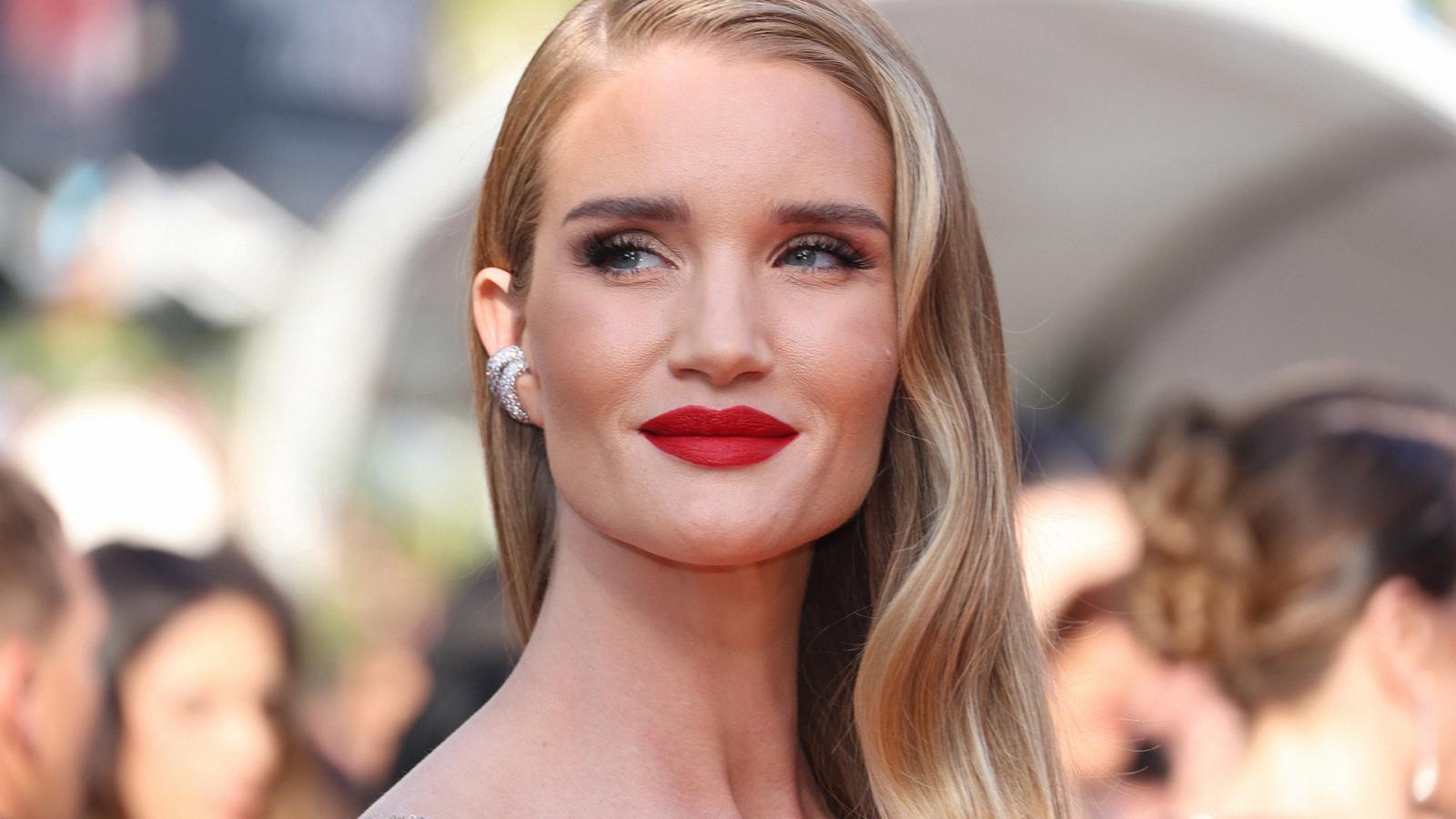
Gina Rodriguez, known for Jane the Virgin, stepped back from acting after years of being mocked for her changing appearance. She later revealed she’d battled anxiety and disordered eating—fueled in part by social media abuse.
“I didn’t want to be seen,” she said. “And that’s a problem when your job is to be seen.”
Why “Just Ignore It” Isn’t a Solution
The most common advice given to victims of trolling? “Thicken your skin.” “Don’t feed the trolls.” “It comes with the territory.”
But this absolves responsibility from abusers and enablers.
Ignoring doesn’t stop trauma. It suppresses it.
And for celebrities, ignoring isn’t always possible. Their faces are on billboards. Their names trend on Twitter. The abuse isn’t confined to a single comment section—it’s everywhere.
More effective strategies include: - Digital detox periods (e.g., taking weeks off social media) - Hiring social media managers to filter or block abusive content - Therapy and support groups tailored to public figures - Public callouts that reframe the narrative (like Jameela Jamil’s work with I Weigh)
But these are individual fixes in a broken system.
A New Wave of Resistance Despite the horror, a shift is emerging.
Stars are speaking out not just as victims, but as advocates.
- Gal Gadot launched a mental health initiative for performers after enduring years of anti-Semitic and appearance-based trolling.
- Simu Liu uses his platform to call out racist beauty standards in Hollywood.
- Millie Bobby Brown testified before the UK Parliament about online abuse, pushing for stricter regulations.
They’re not just defending themselves—they’re demanding change.
The Path Forward: Accountability and Empathy
The culture of trolling won’t end overnight. But it can be dismantled.
Solutions include: - Stronger platform moderation, with real consequences for repeat offenders - Anti-bullying education in schools and media literacy programs - Studio support systems that protect actors from online abuse - Celebrity solidarity, where stars defend each other publicly
Most importantly, we need to rethink what we reward. Do we want a culture that elevates cruelty for clicks? Or one that values authenticity and resilience?
The stars have spoken. Now it’s our turn.
Take a look at your feed. Have you ever liked or shared a meme that mocked a celebrity’s appearance? Did you think about the person behind the pixel?
Change starts with awareness. And awareness starts with honesty.
FAQ
Why do celebrities get bullied more than regular people? Because their images are public property, and their visibility makes them easy targets for mass online abuse—often disguised as humor.
Does trolling actually affect celebrities? Yes. Despite fame and wealth, celebrities experience anxiety, depression, and self-doubt from relentless online attacks.
Can celebrities sue trolls? Sometimes. But legal action is costly, time-consuming, and often ineffective against anonymous or overseas users.
Why don’t social media platforms stop celebrity trolling? Because controversial content drives engagement. Platforms profit from outrage, making enforcement inconsistent.
Are some celebrities more targeted than others? Yes. Women, people of color, LGBTQ+ stars, and those who challenge beauty norms face disproportionate abuse.
How can fans support celebrities against trolling? By calling out abusive comments, promoting positive narratives, and avoiding the spread of mocking memes.
Is body positivity helping reduce trolling? It’s making progress, but trolls often weaponize body positivity—mocking those who embrace it while enforcing rigid beauty standards.
FAQ
What should you look for in Hollywood Trolling Horror: A-Listers Reveal Relentless Bullying? Focus on relevance, practical value, and how well the solution matches real user intent.
Is Hollywood Trolling Horror: A-Listers Reveal Relentless Bullying suitable for beginners? That depends on the workflow, but a clear step-by-step approach usually makes it easier to start.
How do you compare options around Hollywood Trolling Horror: A-Listers Reveal Relentless Bullying? Compare features, trust signals, limitations, pricing, and ease of implementation.
What mistakes should you avoid? Avoid generic choices, weak validation, and decisions based only on marketing claims.
What is the next best step? Shortlist the most relevant options, validate them quickly, and refine from real-world results.