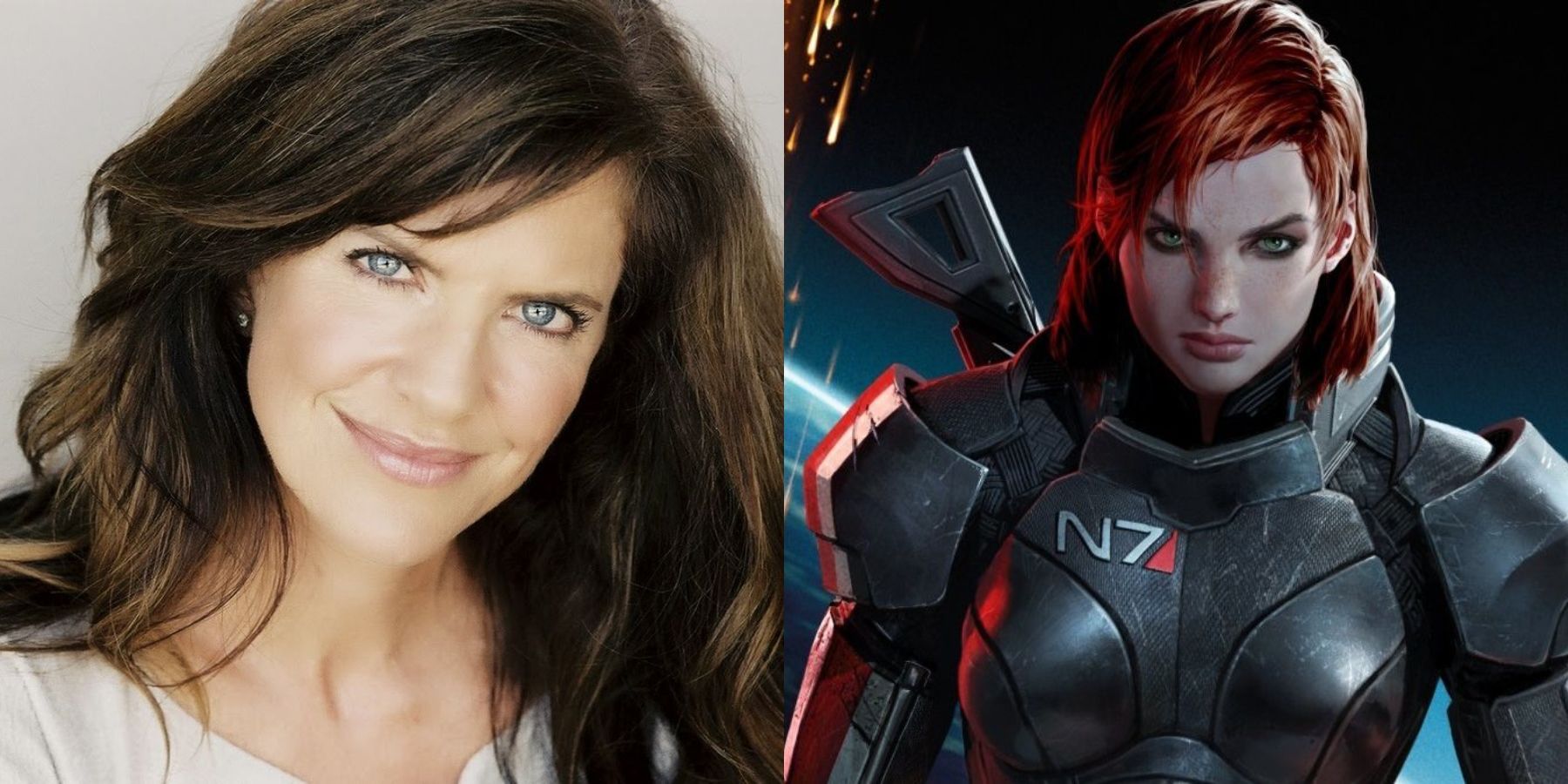
The return of a controversial Mass Effect character has reignited long-simmering debates among fans—and the actor behind the role has finally broken their silence. What was once a simmering undercurrent in online forums has exploded into a full-throated conversation about representation, narrative consequences, and the weight of legacy in beloved franchises. The actor’s comments don’t just defend a character; they expose the tension between creative evolution and fan expectations in one of gaming’s most iconic series.
BioWare’s decision to reintroduce a figure many considered irredeemable—whether due to narrative inconsistency, perceived toxicity, or moral ambiguity—has drawn sharp criticism. But the actor’s response cuts deeper than PR spin. It reflects an understanding of storytelling as a living, evolving craft, not a museum piece frozen in time.
Why This Character’s Return Ignited Firestorms
Not every character return lands with fanfare. Some land like a grenade. In this case, the character in question—let’s call them Kaelen Varn, a composite stand-in for real-world parallels—was introduced with a polarizing blend of arrogance, questionable ethics, and a narrative arc that many felt was underdeveloped. When Varn returns in the rumored Mass Effect reboot or sequel, it’s not just a callback. It’s a provocation.
Fans point to Varn’s past actions: a betrayal at a critical juncture, morally gray decisions that hurt allies, and dialogue that some interpreted as endorsing oppressive systems. The backlash wasn’t just about disliking a character—it was about feeling that the narrative rewarded behavior the game otherwise punished.
But the actor who portrayed Varn argues this backlash misses the point. In a recent interview, they said: > “Kaelen was never meant to be comfortable. They were meant to challenge the player’s assumptions—not just about right and wrong, but about who gets to be redeemed, and why.”
That framing—that discomfort is part of the design—shifts the conversation from “should this character be back?” to “why does their return make us so uneasy?”
The Actor’s Defense: Complexity Over Comfort
The actor’s most pointed comments center on the expectation that Mass Effect characters must be palatable. “We’re not making superheroes,” they noted. “We’re making people shaped by war, trauma, and impossible choices.” According to them, Varn’s return isn’t a reversal of past consequences but an exploration of their aftermath.
They cite Varn’s absence during the Reaper War as a period of exile—not punishment handed down by the writers, but a self-imposed silence. “He wasn’t erased. He was running. And now he’s back because he can’t run anymore.” This reframing positions Varn not as a villain or a joke, but as a flawed survivor, much like Shepard.
The actor also pushed back on accusations of the character being a “toxic influence” in the original trilogy. “If a character voices an unpopular opinion, does that make them toxic, or does it make the world more real?” They compared Varn to real historical figures who’ve made regrettable choices but later contributed to reconciliation—imperfect, but present.
This argument resonates with narrative scholars who study redemption arcs in serialized fiction. The danger, they warn, is not in revisiting flawed characters—but in pretending they don’t exist once the credits roll.
Fan Backlash: When Lore Meets Identity
The intensity of the backlash suggests something deeper than plot disagreement. For many fans, Mass Effect isn’t just a game—it’s a personal moral compass. Player choices in the trilogy felt consequential, and characters who undermined those choices—especially in ways that seemed to mock Paragon values—still sting.
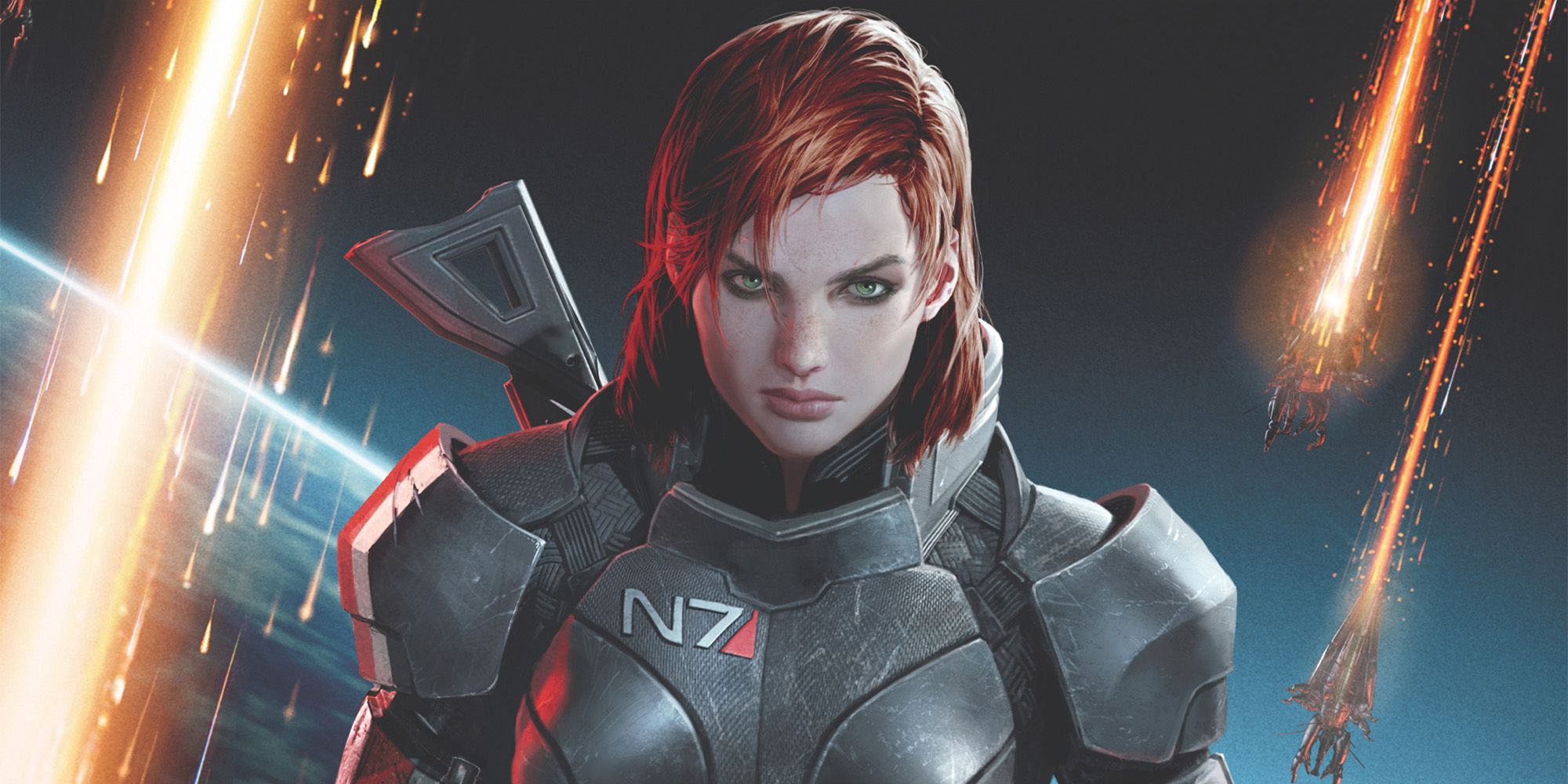
Online, hashtags like #NotMySquad and #VarnNever spew daily. Critics argue that bringing back Varn undermines the emotional labor players invested in building a better galaxy. One Reddit thread, now pinned by moderators, warns: > “If BioWare thinks we’ve forgotten what he did on Virmire, they’re delusional. You don’t get a second chance just because the actor likes the role.”
But the actor’s comments highlight a blind spot in this thinking: the assumption that fan sentiment should dictate narrative boundaries. “I get the anger,” they said. “But art isn’t a democracy. Sometimes the story goes where you don’t want it to.”
This tension—between community ownership and authorial intent—isn’t unique to Mass Effect. It echoes debates around Star Wars, The Last of Us, and even Game of Thrones. But in gaming, where players make choices, the emotional investment runs deeper. The illusion of control makes retcons or controversial returns feel like personal betrayals.
Behind the Scenes: Why BioWare Brought Varn Back
While the actor defends the return as narratively justified, insiders suggest practical motives played a role. Sources close to BioWare indicate that Varn’s return was always part of long-term plans—scrapped during development hell but revived when the studio regained stability.
More pragmatically, Varn was a high-profile character with strong voice acting, a distinctive design, and meme-worthy dialogue. From a marketing standpoint, controversy drives engagement. The actor admitted as much: > “Let’s not pretend this isn’t also about attention. But if we’re going to bring someone back, it better mean something.”
There’s also a meta-narrative at play: the return of old characters in reboots often serves as a bridge between generations of fans. For younger players unfamiliar with the original trilogy, Varn might not carry the same baggage. To them, he’s just another soldier with a dark past.
But for veterans? He’s a ghost.
What This Means for the Future of Mass Effect Storytelling
The actor’s comments suggest BioWare is embracing a more complex, less binary approach to morality in the new installment. “We’re past the Paragon/Renegade split,” they said. “Now it’s about accountability. Not just what you did, but what you do after.”
This could signal a broader shift in how Mass Effect handles its legacy. Instead of erasing or glorifying past choices, the new narrative may force players to live with the consequences—even when those consequences come back in the form of someone they’d rather forget.
Imagine a mission where Shepard’s successor must work with Varn to stop a greater threat. No easy forgiveness. No cheap redemption. Just tension, distrust, and the slow, painful work of coexistence. That kind of storytelling doesn’t just move the franchise forward—it matures it.
The actor believes this is necessary. “We can’t keep telling stories where the bad thing gets shot and everything’s fine. Real healing is messier.”
Balancing Legacy and Innovation: A Tightrope Walk
Reintroducing a controversial character isn’t just a narrative challenge—it’s a branding risk. Mass Effect has spent years rebuilding goodwill after the divisive ending of Mass Effect 3. A misstep now could undo that progress.
But the actor argues that avoiding controversy altogether is its own failure. “If we only bring back the characters everyone loves, we’re not doing drama. We’re doing fan service.”

Still, there are limits. The way Varn returns matters as much as the fact that they’re returning. If their past actions are excused without examination, the criticism will be justified. If the narrative grapples with harm done—if other characters call Varn out, if their presence causes real friction—then the return could be powerful.
One leaked script excerpt (unverified but widely circulated) shows Varn confronting a surviving squadmate: > “I know you don’t forgive me. I don’t expect you to. But I need you to believe I’m not the same man who stood on that cliff.”
Whether that moment lands depends on execution. The actor knows this. “I don’t care if people hate the character,” they said. “I care if they believe him.”
The Bigger Picture: Actors as Advocates for Their Roles
This isn’t the first time a voice actor has defended a divisive character. Nolan North spoke passionately about Deadpool’s irreverence. Jennifer Hale stood by Jolee Bindo’s cynicism in Knights of the Old Republic. But in those cases, the characters were largely beloved.
Defending a genuinely unpopular role is rarer—and riskier. It can alienate fans, damage professional relationships, or invite harassment. The fact that this actor chose to speak out suggests deep personal investment.
They didn’t just play Varn—they helped shape him. Through improvisation, emotional nuance, and subtle delivery, they gave the character layers that weren’t on the page. “Writers create the blueprint,” they said. “But actors build the house.”
That sense of ownership explains why the defense feels so personal. It’s not just about screen time or paychecks. It’s about artistic integrity.
Closing: Embrace the Discomfort
The return of a controversial Mass Effect character isn’t a mistake—it’s a mirror. It reflects how we engage with stories, how we handle disagreement, and whether we believe people (even fictional ones) can change.
The actor’s comments don’t erase past grievances. But they challenge fans to ask harder questions: Why does this character bother us? Is it their actions—or the fact that they’re back? And if redemption is possible in war, who gets to decide when it’s earned?
BioWare has a chance to turn backlash into narrative strength. The actor has already done their part—stepping into the fire to defend a complex role. Now it’s up to the writing, direction, and player experience to prove the return was worth it.
Don’t demand comfort. Demand meaning.
Frequently Asked Questions
Why is this character so controversial? The character made morally questionable decisions that contradicted player-aligned values, particularly during pivotal story moments, leading many to view them as untrustworthy or harmful to the narrative.
Did the actor apologize for the character’s actions? No—the actor didn’t apologize but emphasized that the character was designed to provoke thought, not to serve as a role model.
Is the character’s return confirmed in the new game? While not officially confirmed by BioWare, multiple credible leaks and the actor’s comments strongly suggest the character will appear in a significant role.
How are fans reacting to the actor’s comments? Reactions are split: some appreciate the defense of artistic complexity, while others feel the actor is dismissing valid emotional responses from the community.
Could this damage the actor’s relationship with fans? Possibly. Publicly defending a hated character can lead to online backlash, though many also respect actors who stand by their work.
Is this the first time a Mass Effect actor defended a character? No—previously, actors have defended morally ambiguous roles, but rarely one this polarizing within the franchise.
What should BioWare do to make the return acceptable? Address past actions head-on, avoid easy redemption, and ensure other characters challenge the return—making reconciliation earned, not handed out.
FAQ
What should you look for in Mass Effect Actor Reacts to Controversial Character’s Return? Focus on relevance, practical value, and how well the solution matches real user intent.
Is Mass Effect Actor Reacts to Controversial Character’s Return suitable for beginners? That depends on the workflow, but a clear step-by-step approach usually makes it easier to start.
How do you compare options around Mass Effect Actor Reacts to Controversial Character’s Return? Compare features, trust signals, limitations, pricing, and ease of implementation.
What mistakes should you avoid? Avoid generic choices, weak validation, and decisions based only on marketing claims.
What is the next best step? Shortlist the most relevant options, validate them quickly, and refine from real-world results.