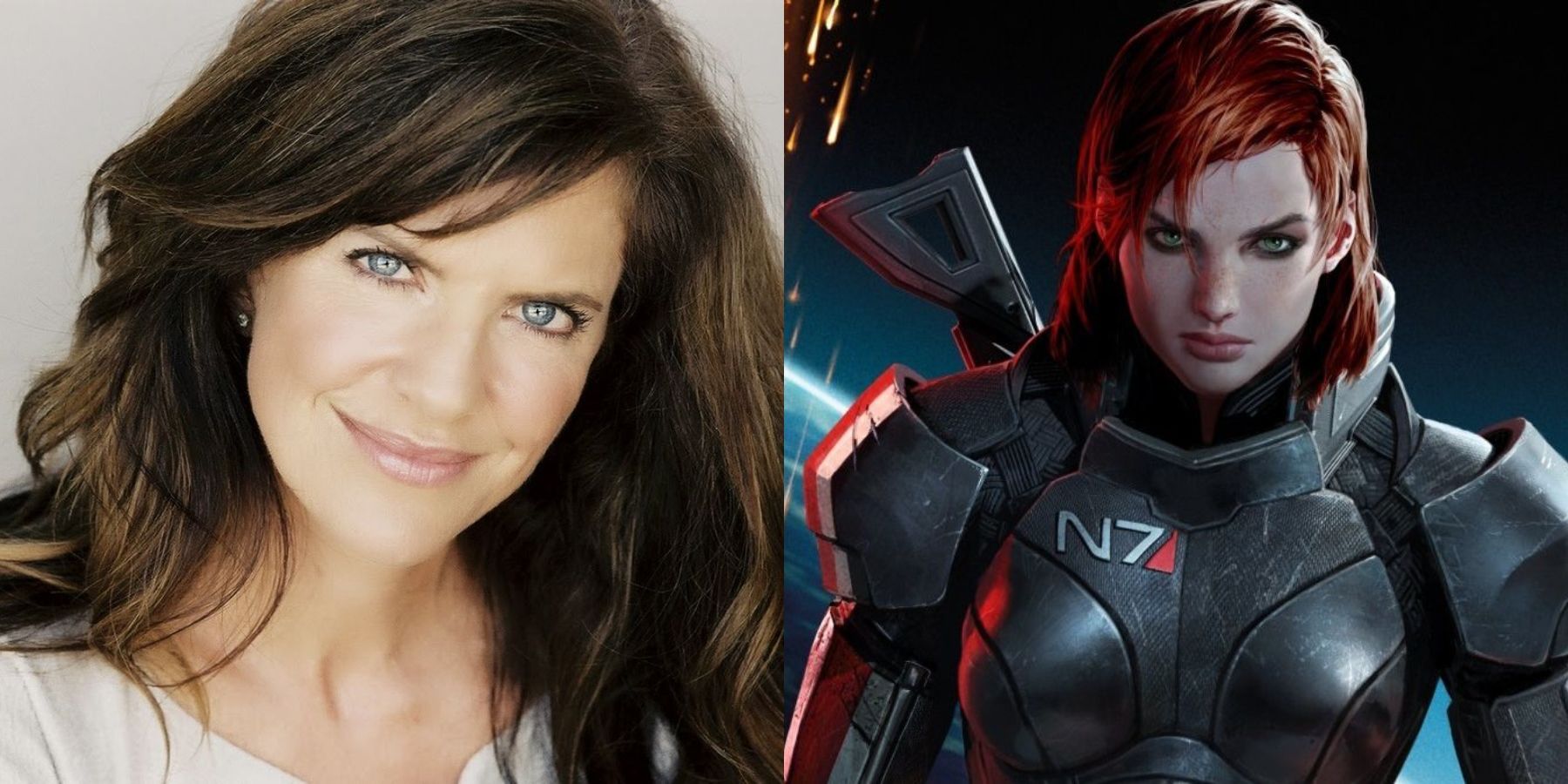
The return of a divisive Mass Effect character has reignited debate among fans—now, the actor behind the role has responded. Their comments offer rare insight into how creators navigate legacy, player sentiment, and narrative risk in long-running franchises.
This isn’t just about one character. It reflects a larger tension in game storytelling: when fan expectations collide with bold creative choices. The actor’s perspective cuts through the noise, revealing how personal investment, criticism, and legacy shape performances—even years later.
Why This Character Still Sparks Heated Debate
Few characters in the Mass Effect universe provoke as strong a reaction as this one. Introduced during a pivotal moment in the original trilogy, their actions split the fandom: some saw them as necessary for the story’s moral complexity; others accused them of undermining the player’s agency.
The controversy centers on a single mission—widely criticized for its abrupt tone shift and narrative implications. Player choices, usually central to the franchise, felt sidelined. For a series built on consequence, that moment stood out as a misstep.
But revisiting it years later, some fans now argue the character served a thematic purpose: highlighting the cost of war beyond clean heroics. Still, the backlash lingers—especially when that character reappears.
Actor’s Initial Reaction to the Return
When news broke that the character would return in a new installment, the actor admitted surprise. In a recent interview, they said: > “I wasn’t expecting the call. When the studio reached out, my first thought was, ‘Are we sure this is the right move?’”
They acknowledged the polarized reception: “I knew the character had divided people. I didn’t want to contribute to frustration if the return wasn’t handled with care.”
This hesitation matters. It shows the actor wasn’t detached from fan sentiment—they were weighing it. Their performance in the original games was emotionally grounded, and they worried a return might undermine that authenticity if done poorly.
Addressing the Backlash Head-On
Rather than sidestepping criticism, the actor confronted it directly.
“People were angry, and they had every right to be. The story didn’t give them the closure they wanted. That mission felt rushed. I’ve read the forums, the Reddit threads—I’ve seen the memes. They’re not wrong.”
This level of engagement is rare. Most voice actors stay neutral, citing contractual limits or creative deference. But this performer went further: - They referenced specific fan theories - Acknowledged pacing issues in the original scene - Praised modders who tried to “fix” the moment through community patches
That kind of respect shifts perception. It turns defensive PR into genuine dialogue.
Creative Justification for the Character’s Comeback
So why bring them back? The actor explained the writers’ intent: redemption through consequence, not erasure.
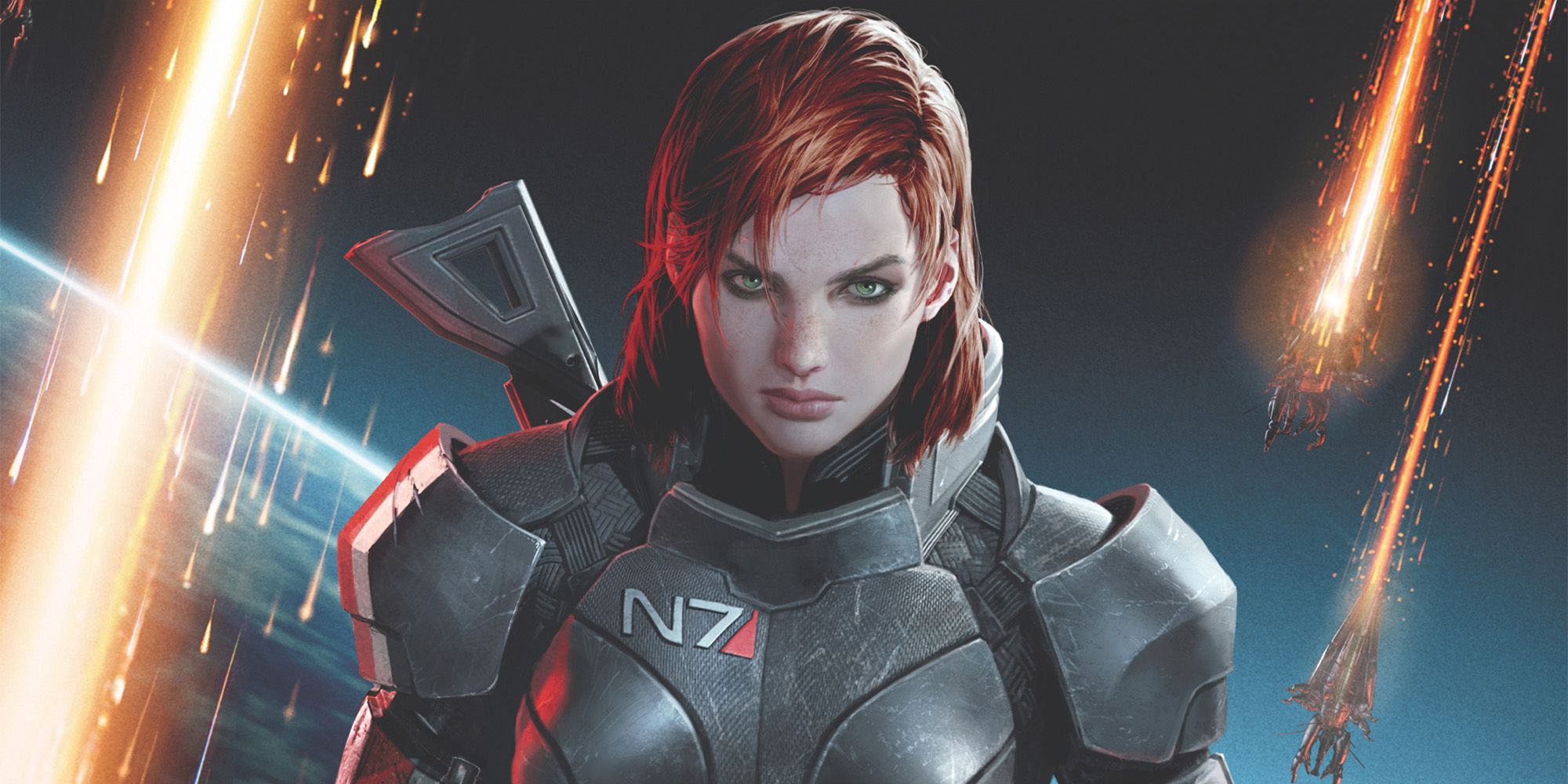
“They’re not back to say ‘I was right all along.’ They’re back to face what they did. That’s the arc now.”
The new narrative frames the character as someone haunted, not justified. Their reappearance isn’t a victory lap—it’s a reckoning.
This reframing could satisfy critics who wanted accountability. Instead of ignoring the controversy, the story integrates it. The actor called this “a second chance to get it right,” both for the character and the narrative.
Evolution of the Performance Over Time
Reprising the role after more than a decade changed the performance. The original portrayal was intense, almost fanatical. Now, there’s weariness—a quieter, heavier delivery.
“I don’t play them the same way. I couldn’t. The weight of what they’ve done has settled in. You hear it in the pauses, the breath. That wasn’t there before.”
This evolution mirrors how players have aged with the series. Many who were teens during Mass Effect 2 are now in their 30s—more likely to understand moral ambiguity than black-and-white outcomes. The performance reflects that shared maturity.
Fan Reactions: From Skepticism to Cautious Hope
Initial reactions to the casting announcement were predictably harsh. Social media flooded with edits, sarcastic quotes, and calls to boycott.
But after the actor’s comments surfaced, the tone shifted.
- Reddit threads began dissecting the nuance in their interview
- Twitter users noted the humility in acknowledging past flaws
- YouTube creators started exploring how redemption arcs could work
One popular analysis titled “The Case for Forgiving This Character” has over 800,000 views. It argues that avoiding controversial figures “erases the very conversations games should encourage.”
That doesn’t mean universal acceptance. But it does signal a willingness to re-engage—not just react.
What This Means for the Future of Game Storytelling
The Mass Effect situation sets a precedent. When a narrative choice backfires, do you ignore it? Retcon it? Or confront it?
This actor’s approach suggests a third path: integration.
By acknowledging the past, listening to fans, and evolving the character, the franchise treats backlash as part of the lore. That’s bold. It turns weakness into strength.
Other studios could learn from this: - Engage actors who care beyond the paycheck - Let time inform character development - Treat fan criticism as data, not noise
Games like The Last of Us, Dragon Age, and Cyberpunk 2077 face similar challenges with polarizing moments. How they handle returns—narrative or cast—will define their long-term credibility.
Why Voice Actors Matter More Than Ever
This episode underscores a growing truth: voice actors aren’t just performers. They’re custodians of legacy.

Players form deep attachments to characters—often through voice alone. When those characters return, the actor becomes a bridge between past and present.
But that role comes with pressure. They must balance: - Studio direction - Fan expectations - Personal interpretation - Evolving cultural context
The Mass Effect actor didn’t dodge that responsibility. They leaned into it—using interviews to clarify intent, address pain points, and invite reconsideration.
That’s not just PR. It’s stewardship.
A Closing Lesson in Narrative Courage
Controversial characters don’t need to be erased. They need to be reckoned with.
The actor’s comments didn’t defend the past—they contextualized it. They didn’t dismiss anger—they validated it. And in doing so, they opened a door: not just for the character’s return, but for meaningful conversation about what games can explore.
For fans, creators, and players alike, the takeaway is clear: Don’t fear the backlash. Listen to it. Let it shape what comes next.
Frequently Asked Questions
Why is this character so controversial in Mass Effect? The character’s actions in a key mission clashed with the series’ emphasis on player choice, making their role feel forced and ethically questionable to many fans.
Did the actor support bringing the character back originally? Initially, no. The actor expressed hesitation, citing the divisive reception and concern over repeating past mistakes.
How has the character changed in their return? They’re portrayed as burdened by guilt and consequences, not triumphal. The narrative frames their return as accountability, not justification.
Are fans accepting the character’s comeback now? Reactions remain mixed, but the actor’s candid interviews have softened some resistance, leading to more nuanced discussions.
What did the actor say about fan criticism? They acknowledged its validity, admitted flaws in the original storyline, and praised fans for keeping the conversation alive.
Will the character’s arc provide closure? Early details suggest yes—the return is designed to address past unresolved tensions, offering emotional and narrative closure.
Could this change how studios handle controversial characters? Potentially. This approach—transparent, reflective, and character-driven—could become a model for handling backlash in narrative-driven games.
FAQ
What should you look for in Mass Effect Actor Speaks on Controversial Character's Return? Focus on relevance, practical value, and how well the solution matches real user intent.
Is Mass Effect Actor Speaks on Controversial Character's Return suitable for beginners? That depends on the workflow, but a clear step-by-step approach usually makes it easier to start.
How do you compare options around Mass Effect Actor Speaks on Controversial Character's Return? Compare features, trust signals, limitations, pricing, and ease of implementation.
What mistakes should you avoid? Avoid generic choices, weak validation, and decisions based only on marketing claims.
What is the next best step? Shortlist the most relevant options, validate them quickly, and refine from real-world results.