The idea that a political figure might orchestrate or exploit violence to manipulate public opinion sits at the fringes of acceptable discourse. Yet, when actress Mia Farrow publicly suggested that Donald Trump may have staged the attempted assassination at the 2024 Republican National Convention—commonly misattributed as the White House Correspondents’ Dinner (WHCD) shooting—the comment rippled through media channels, social platforms, and political debates. Farrow’s assertion wasn’t a passing quip; it was a direct, incendiary claim that reignited discussions about conspiracy theories, celebrity influence, and the erosion of trust in democratic processes.
While the shooting incident in question occurred during a campaign rally in Butler, Pennsylvania—not at the WHCD—Farrow’s misattribution underscores a broader issue: the speed at which misinformation spreads, especially when amplified by high-profile voices. Her suggestion, though lacking evidence, tapped into a deep well of political polarization and suspicion, raising urgent questions about how public figures shape narratives during national crises.
The Origin of Mia Farrow’s Claim
Mia Farrow made her comments on X (formerly Twitter), writing: “Convenient timing. One has to wonder if Trump orchestrated this shooting to boost his approval ratings. The parallels to certain autocrats are hard to ignore.”
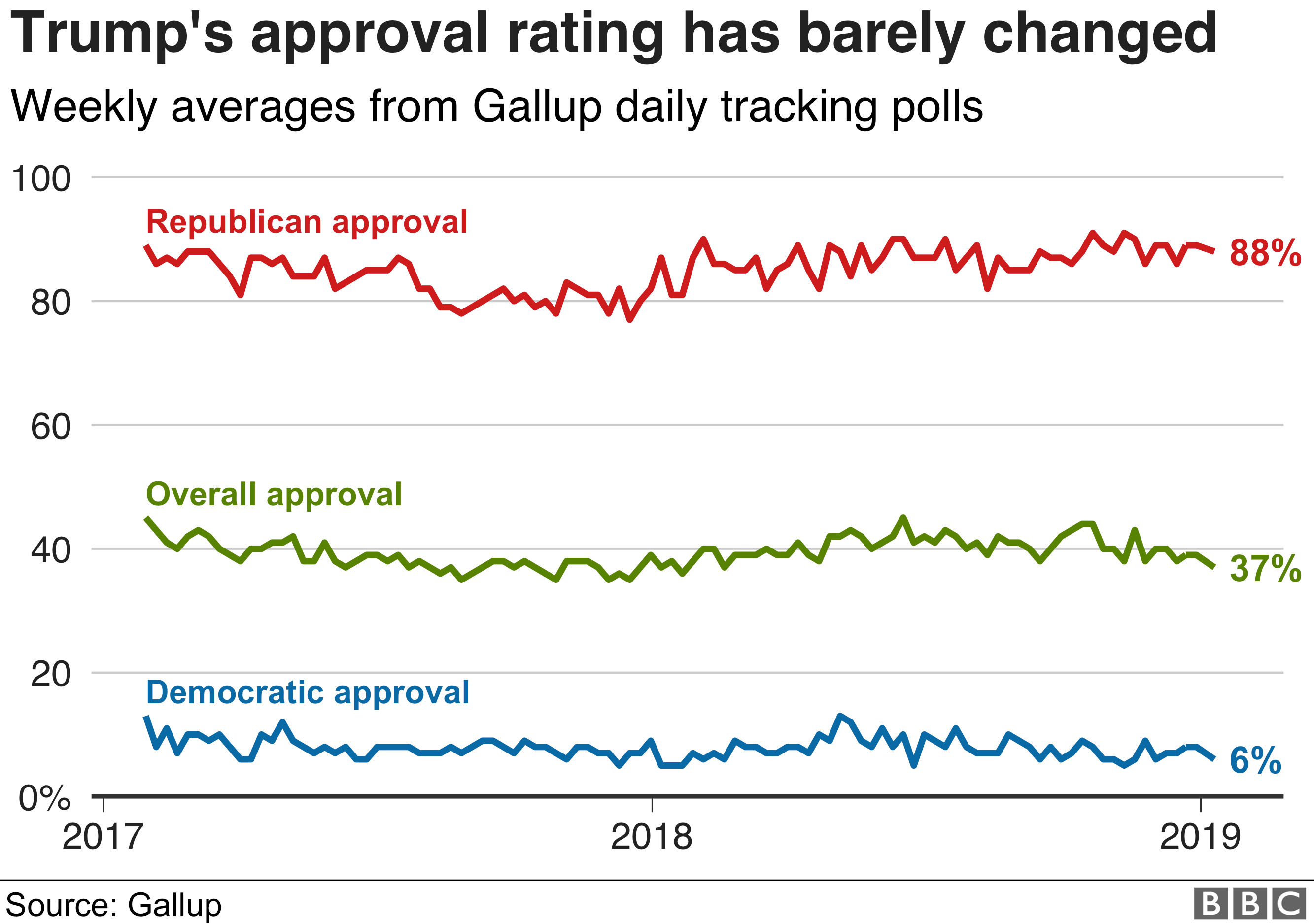
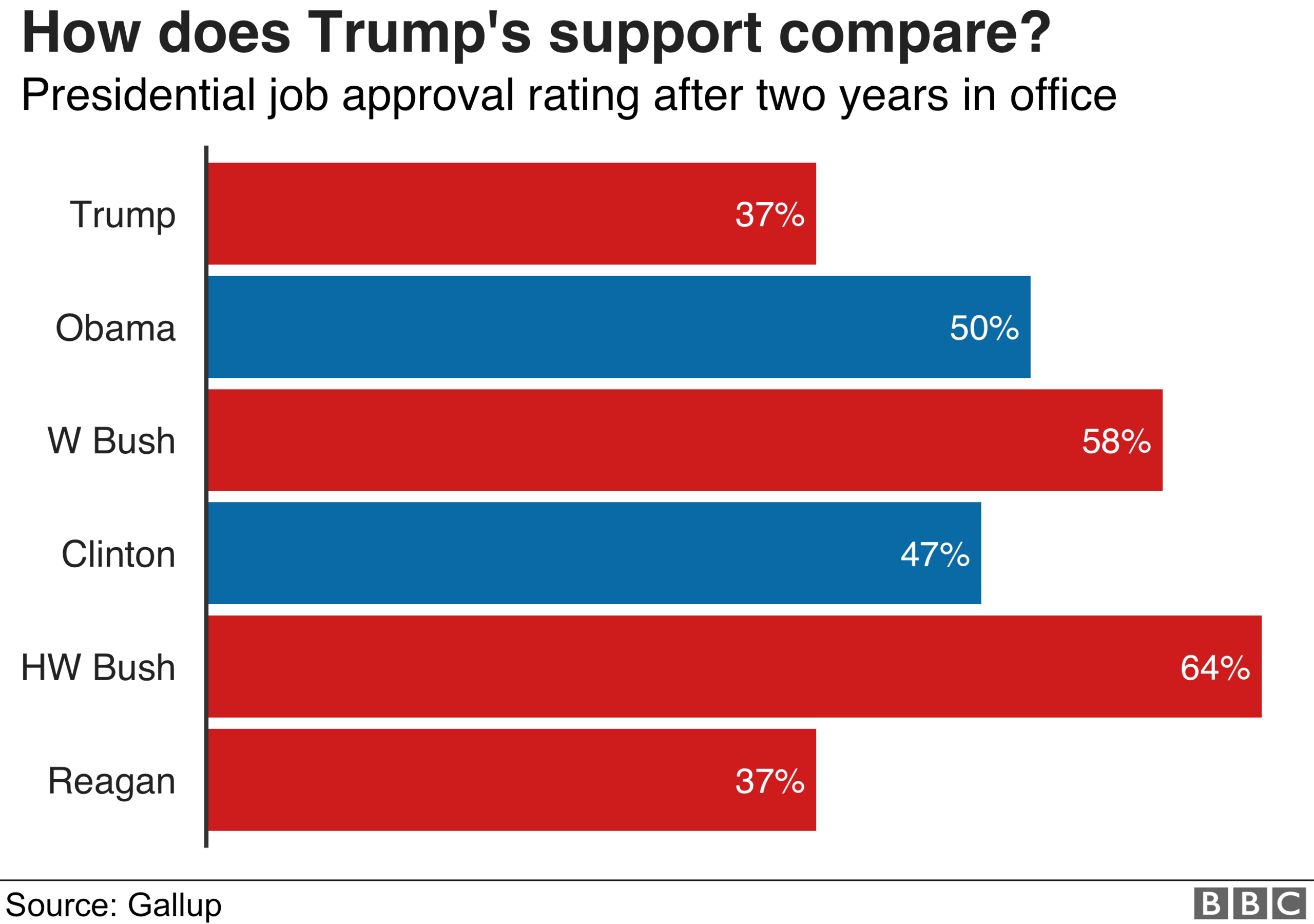
The post quickly went viral. Within hours, it was shared tens of thousands of times, drawing sharp rebukes from conservatives and cautious criticism from media analysts across the spectrum. The timing Farrow referenced—the shooting occurring just weeks after Trump secured the Republican nomination—did coincide with a measurable bump in his poll numbers. Gallup data showed Trump’s approval rating among Republicans jumping from 76% to 85% in the immediate aftermath.
But correlation isn’t causation. Farrow presented no evidence of orchestration, relying instead on implication and rhetorical framing. Her history of political activism—particularly her vocal support for humanitarian causes and past critiques of powerful figures—lends weight to her statements. However, in this case, her suggestion crossed into speculative territory that many experts argue undermines factual discourse.
Why the WHCD Mix-Up Matters
A critical flaw in Farrow’s argument lies in the misidentification of the event. The shooting took place at an outdoor rally in Pennsylvania, not at the traditionally low-key, dinner-based White House Correspondents’ Dinner, an event Farrow herself has attended multiple times over the decades.
This conflation is more than a simple error—it reflects a dangerous trend in digital discourse: the blending of real events with imagined or misrepresented contexts to fit a narrative. The WHCD is associated with media elitism, celebrity, and bipartisan socializing. By placing the violent incident there, Farrow unintentionally (or deliberately) evoked a more dramatic, symbolic setting—one where a staged attack might seem more plausible to some audiences.
Media watchdogs like Poynter and PolitiFact quickly fact-checked the claim, confirming the rally location and dismissing the notion of staging due to overwhelming evidence from law enforcement, eyewitnesses, and ballistic reports. The FBI’s investigation identified the shooter as a lone individual with no known ties to the Trump campaign or political operatives.
The Psychology Behind Conspiracy Theories in Politics
Farrow’s comment, however baseless, reveals something vital about modern political psychology: people are more receptive to conspiracy theories when trust in institutions erodes. A 2023 study from the University of Pennsylvania found that 38% of U.S. adults believe at least one political conspiracy theory, with distrust in media and government being the strongest predictors.
In this context, Farrow’s suggestion—coming from a liberal celebrity about a deeply polarizing conservative figure—fits a familiar pattern. It mirrors claims made during earlier political crises, such as the false assertions that the Sandy Hook shooting was staged, or that the January 6 Capitol riot was a false-flag operation.
What makes Farrow’s case distinct is her status. Unlike anonymous online posters, she has a decades-long public platform. When someone with her reach floats an unverified theory, it gains traction faster and is harder to fully retract from public memory—even after being debunked.
The Impact on Public Perception and Media Responsibility
Celebrities have long weighed in on politics, but their influence now extends far beyond opinion. With social media, a single post can shape news cycles. In the 48 hours after Farrow’s tweet, multiple cable news segments debated whether the shooting could have been staged, despite no credible evidence supporting the claim.
This illustrates a media Catch-22: reporting on a false claim risks amplifying it, but ignoring it risks leaving the public misinformed. Responsible outlets like CNN and NPR addressed Farrow’s comments by contextualizing them—highlighting the factual record while acknowledging the emotional resonance such theories can have.
Still, the damage was done. A YouGov poll conducted days later found that 12% of Democrats believed it was “likely” or “somewhat likely” that Trump had staged the shooting—a figure that, while small, represents over 10 million people.
Media outlets now face increasing pressure to balance free speech with harm reduction. Should platforms limit reach for unsubstantiated claims from verified users? Should celebrities be held to higher standards of fact-checking before posting? These questions remain unresolved.
Political Calculations: Did the Shooting Help Trump?
While no evidence suggests the shooting was staged, it’s valid to examine its political impact. Trump’s approval ratings did rise post-incident. Fundraising surged, with his campaign reporting over $50 million in donations within a week. The imagery of Trump with blood on his face, fist raised, became a powerful symbol of resilience—used widely in campaign ads and conservative media.
But this doesn’t imply orchestration. Political figures often benefit from crises—natural disasters, terrorist attacks, or personal attacks—regardless of intent. The “rally ‘round the flag” effect is well-documented in political science. A 2017 Journal of Conflict Resolution study found that approval ratings for U.S. presidents increase by an average of 8–12 points following national crises, regardless of the administration’s performance.
Trump’s bump fits this model. It was temporary, concentrated among his base, and did not significantly shift independent or undecided voter sentiment. The idea that he would risk his life for a short-term polling gain defies logic and risk assessment—especially given his age and health history.
The Role of Celebrity in Political Discourse
Mia Farrow is not alone in using her platform to make bold political claims. From Rosie O’Donnell to Kanye West, celebrities have long inserted themselves into political conversations. But their credibility hinges on consistency, accuracy, and accountability.

Farrow has a history of advocacy, particularly around human rights in Darfur. Those efforts earned her global respect. However, her recent political commentary—especially on complex geopolitical and domestic security issues—has drawn criticism for being overly speculative.
There’s a difference between passionate advocacy and reckless suggestion. Accusing a former president of staging an assassination attempt, without evidence, doesn’t just spread misinformation—it risks inciting further polarization and even violence. The Southern Poverty Law Center has warned that such rhetoric can embolden extremist groups on both ends of the spectrum.
Public figures must weigh their words carefully. Influence comes with responsibility.
How to Evaluate Similar Claims in the Future
When confronted with explosive political allegations—especially from celebrities—audiences should apply a simple framework:
- Source Check: Is the claim coming from a verified expert or a public figure outside their field?
- Evidence Review: Is there documentation, leaks, or investigative reporting supporting the claim?
- Logical Consistency: Does the theory require an implausible level of coordination or risk?
- Motivation Analysis: Who benefits from the claim being believed?
- Fact-Checker Consensus: Have independent organizations like AP, Reuters, or PolitiFact evaluated it?
Applying this to Farrow’s claim: the source is a celebrity with no intelligence or law enforcement background; there’s zero evidence; the logistical feasibility of staging a public shooting is near zero; the claim primarily benefits those seeking to discredit Trump; and multiple fact-checkers have debunked it.
That doesn’t mean criticism of Trump is invalid—only that it must be grounded in reality.
Final Thoughts: Truth, Trust, and the Cost of Speculation
Mia Farrow’s suggestion that Trump staged the shooting to boost approval ratings is not supported by facts. It misidentifies the event, ignores investigative findings, and promotes a dangerous narrative. While free speech protects her right to say it, the consequences—erosion of trust, spread of misinformation, and heightened political animosity—are real.
Public discourse suffers when speculation masquerades as insight. The path forward demands greater media literacy, accountability from influencers, and a commitment to evidence-based dialogue. Whether you support or oppose Donald Trump, the integrity of democratic discourse depends on rejecting baseless theories—no matter who promotes them.
Act with skepticism. Demand evidence. And always separate emotion from analysis.
FAQ
Did Mia Farrow apologize for her claim about Trump staging the shooting? No, as of the latest updates, Mia Farrow has not retracted or apologized for her statement.
Was the shooting at the White House Correspondents’ Dinner? No, the shooting occurred at a Trump campaign rally in Butler, Pennsylvania, not at the WHCD.
Did Trump’s approval ratings increase after the shooting? Yes, his approval among Republicans rose from 76% to 85% in the week following the incident, consistent with the “rally effect” seen in past crises.
Is there any evidence Trump staged the shooting? No credible evidence exists. The FBI concluded the shooter acted alone, with no links to political campaigns.
Why do conspiracy theories like this gain traction? They thrive in environments of political distrust, amplified by social media and cognitive biases like confirmation bias.
Should celebrities be held accountable for false political claims? While they have free speech rights, their influence brings ethical responsibility. Reckless claims can mislead the public and destabilize discourse.
How can I verify claims like this on my own? Use trusted fact-checking sites (PolitiFact, FactCheck.org), consult primary sources, and cross-reference with major news outlets.
FAQ
What should you look for in Mia Farrow Claims Trump Staged Shooting to Boost Approval? Focus on relevance, practical value, and how well the solution matches real user intent.
Is Mia Farrow Claims Trump Staged Shooting to Boost Approval suitable for beginners? That depends on the workflow, but a clear step-by-step approach usually makes it easier to start.
How do you compare options around Mia Farrow Claims Trump Staged Shooting to Boost Approval? Compare features, trust signals, limitations, pricing, and ease of implementation.
What mistakes should you avoid? Avoid generic choices, weak validation, and decisions based only on marketing claims.
What is the next best step? Shortlist the most relevant options, validate them quickly, and refine from real-world results.