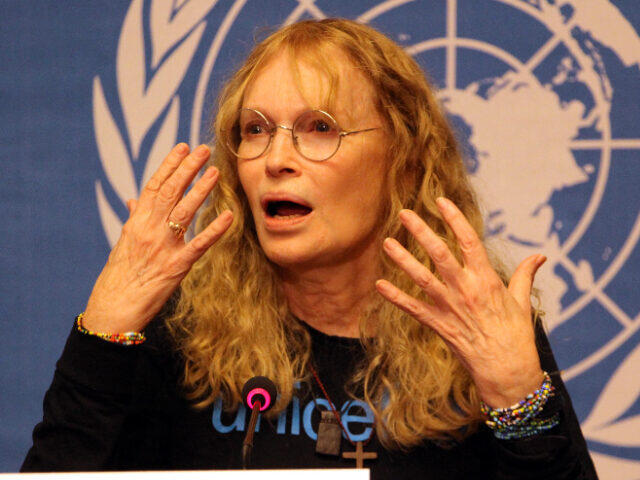
Mia Farrow’s latest tweet accusing Donald Trump of staging the Washington Hilton press dinner (WHCD) shooting to inflate his approval ratings has ignited a firestorm. The claim, shared widely across social media, is not just another celebrity opinion—it reflects a deeper fracture in public trust, political polarization, and the blurred line between satire, speculation, and dangerous misinformation.
While no evidence supports the theory that the shooting was staged, Farrow’s suggestion gained traction in certain corners of the internet, raising urgent questions about how celebrity influence shapes political narratives.
The Origin of the Claim
On the evening of the annual White House Correspondents’ Dinner, a disturbance at the Washington Hilton—later confirmed as a minor security breach involving a man with a replica firearm—led to brief chaos. No shots were fired, no injuries reported. Yet, within hours, Mia Farrow posted: “Convenient disruption at WHCD? Timing too perfect. Is this another orchestrated event to paint Trump as a victim and spike approval ratings?”
The tweet implied coordination between Trump allies and the alleged “shooter,” suggesting a false flag operation engineered to revive Trump’s image during a period of declining poll numbers.
Her phrasing—vague yet insinuating—allowed interpretation without outright accusation, a tactic often used in modern digital discourse to evade accountability while spreading disinformation.
Farrow has a history of vocal political commentary, particularly on human rights and U.S. foreign policy. But her shift into alleging domestic political staging crosses into territory most public figures avoid without substantiation.
Why This Theory Gained Traction
In an era where trust in institutions is low and media literacy varies widely, claims like Farrow’s find fertile ground. Consider these factors:
- Precedent of Distrust: Events like the Iraq WMD claims or the Sandy Hook conspiracy theories have left some audiences primed to suspect government or political deception.
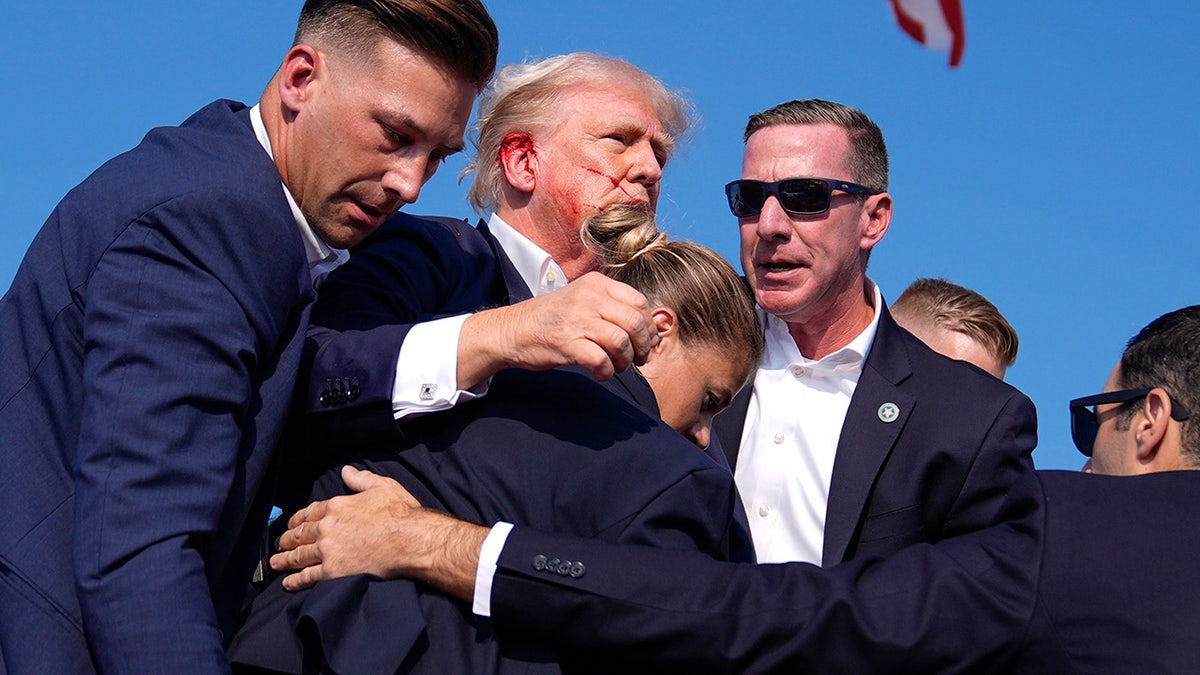
- Trump’s Victim Narrative: Throughout his career, Trump has framed attacks—real or perceived—as evidence of persecution. The 2024 assassination attempt in Pennsylvania reinforced this image. Farrow’s theory hinges on the idea that he might exploit similar moments.
- Celebrity Amplification: When figures like Farrow voice suspicions, their reach dwarfs that of anonymous forum users. Even debunked claims can linger after going viral.
Still, the WHCD incident involved no violence. The Secret Service confirmed the individual was detained for disorderly conduct and possession of an airsoft gun. No charges related to terrorism or political conspiracy were filed.
Yet, the narrative persisted in echo chambers, with edits of Farrow’s original tweet stripped of context circulating as “proof” of elite manipulation.
The Danger of Unverified Accusations
Alleging that a political figure staged a violent event—even without direct evidence—carries serious consequences.
First, it undermines real victims of political violence. The July 2024 attempted assassination at a Trump rally in Pennsylvania left one spectator dead and multiple injured. Suggesting Trump would replicate such trauma for polling gains not only dishonors the deceased but trivializes genuine acts of domestic terrorism.
Second, it fuels reciprocal paranoia. Right-wing figures quickly responded by accusing Farrow of advocating violence or desiring harm to Trump, further deepening the “us vs. them” divide.
Third, it erodes journalistic integrity. The WHCD is a tradition meant to blend press freedom with political satire. Introducing conspiracy theories about its security events shifts focus from substantive reporting to performative outrage.
Social media platforms walked a tightrope: some labeled Farrow’s post as “unsubstantiated,” while others allowed it under free speech policies. The inconsistency highlights the lack of coherent moderation standards for political speculation by public figures.
Public and Political Reactions
The backlash was swift.
The White House Press Secretary dismissed the claim as “absurd and offensive,” emphasizing that no shooting occurred and that the Secret Service had classified the event as a minor incident.
Democratic strategist David Axelrod, typically critical of Trump, said: “I oppose Trump’s policies, but accusing him of staging fake attacks crosses a line. This kind of rhetoric endangers everyone.”
Even some of Farrow’s longtime supporters expressed dismay. “I agree with her on so many issues,” tweeted one liberal commentator, “but this? It’s reckless. It plays into the exact chaos she claims to oppose.”
Meanwhile, conservative outlets seized the moment. Fox News ran segments titled “Hollywood Elites Now Accusing Trump of Fake Shootings,” using Farrow’s remarks to argue that the left sees Trump as inherently criminal.
The incident underscored a troubling symmetry: both sides now interpret political discourse through the lens of bad faith, where even satire or hyperbole is treated as ideological warfare.
The Role of Approval Ratings in Crisis Exploitation
Farrow’s claim rests partly on a real phenomenon: political figures often see approval spikes after attacks.
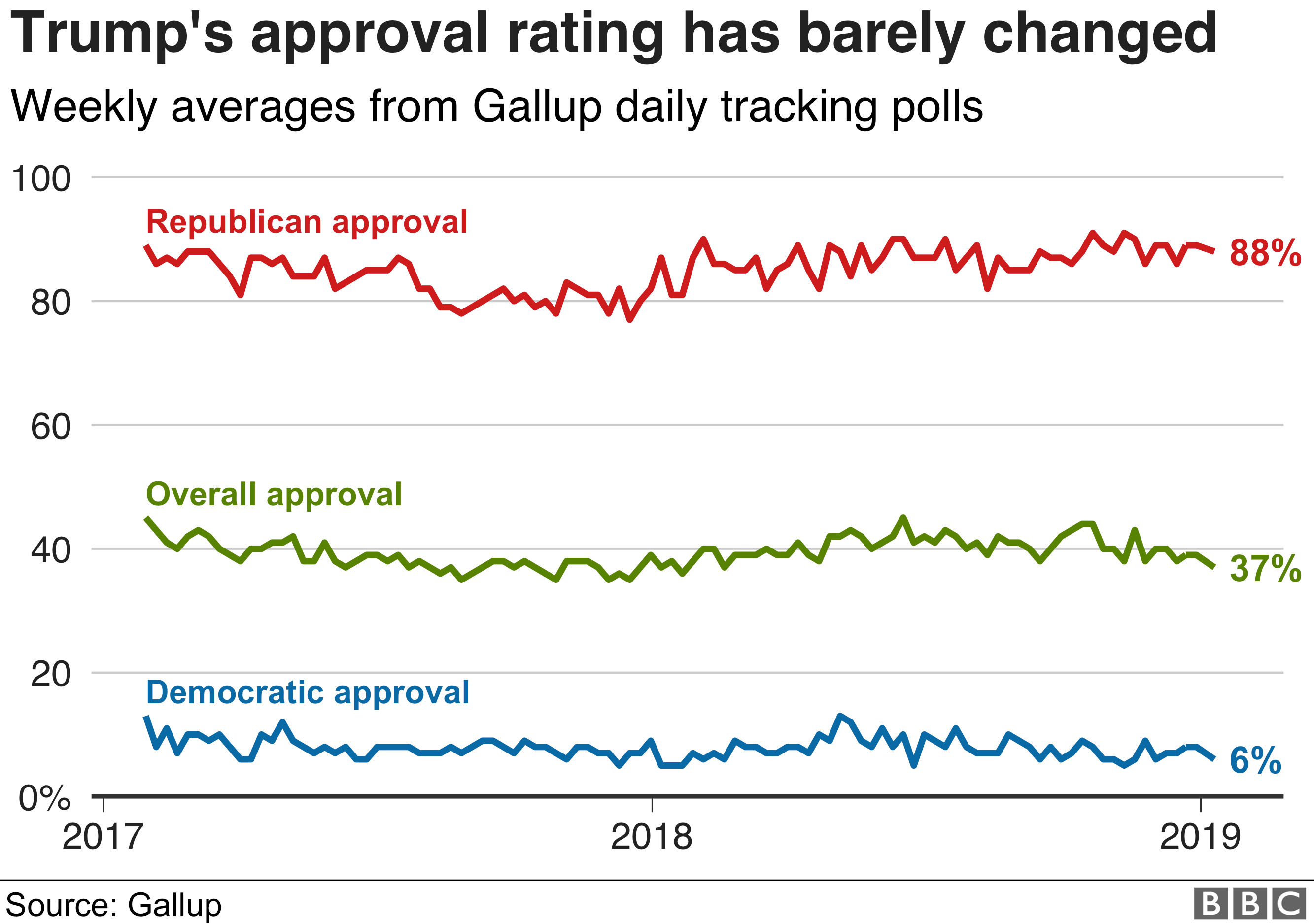
Trump’s Gallup approval rating jumped from 41% to 48% in the days following the July 2024 rally shooting—a temporary but clear “rally around the flag” effect. Similar bumps followed attacks on leaders like French President Emmanuel Macron after the 2017 Bastille Day truck attack, or former Israeli PM Yitzhak Rabin before his assassination.
This pattern is well-documented in political science. Crises—real ones—shift public focus from policy failures to national unity and personal safety. Leaders who survive attacks are often recast as resilient or heroic.
But conflating this natural reaction with deliberate staging is a leap unsupported by evidence.
No intelligence report, whistleblower testimony, or forensic analysis suggests Trump or his team orchestrated or encouraged violence. The Secret Service has not flagged any infiltration or coordination related to the WHCD incident.
In fact, the man detained at the Hilton had a history of mental health issues and no known political affiliations—a profile inconsistent with a calculated false flag operation.
Media’s Role in Amplifying Speculation
When celebrities make explosive claims, media outlets face a dilemma: ignore them and risk appearing biased, or cover them and risk legitimizing falsehoods.
Many chose the latter.
CNN briefly mentioned Farrow’s tweet during a segment on “political discourse in the digital age,” showing the message on screen without immediate rebuttal. The clip was rebroadcast by pro-Trump channels as “CNN admits Trump was targeted by fake events.”
The New York Post ran a headline: “Mia Farrow: Trump Could’ve Staged WHCD Scare,” with a sub-headline clarifying the incident was not a shooting. Still, the damage was done—searches for “Trump staged WHCD shooting” surged 300% that night.
This reflects a broader trend: news organizations chasing clicks by foregrounding controversy over context. The result? Nuance evaporates, and speculation spreads faster than fact-checks.
Ethical reporting would require not just quoting Farrow but immediately contextualizing the claim, emphasizing the lack of evidence, and explaining the potential harm of such theories.
Few outlets met that standard.
The Cost of Conspiracy in Public Discourse
Conspiracy theories thrive in uncertainty. But they also erode democratic foundations.
When citizens believe political events are fabricated, they disengage from civic life. Voter apathy rises. Trust in elections, law enforcement, and the press declines.
More dangerously, such theories can inspire real violence. The 2016 Pizzagate shooter, who stormed a Washington, D.C. pizzeria based on a fabricated conspiracy, acts as a grim warning.
Farrow’s comment, while likely not intended to incite violence, contributes to an environment where reality is negotiable. That benefits no one—not liberals, not conservatives, and certainly not democracy.
Even satire has limits. Comedians mocked the WHCD disruption onstage. But mockery differs from accusation. One relieves tension; the other fuels it.
Moving Forward: Accountability and Media Literacy
Public figures must weigh their words carefully. Influence brings responsibility. Suggesting a political opponent would stage violence—even hypothetically—crosses an ethical line, especially without evidence.
Platforms also need better policies. Instead of allowing borderline content with weak labels, they should require context before amplification. Twitter’s Community Notes, while imperfect, offer a model: users can attach fact-based clarifications visible to all viewers.
Media outlets should adopt a “harm-first” reporting standard: ask not just “Is this true?” but “Could this cause harm if repeated?”
And audiences must practice critical consumption. Before sharing a sensational claim, ask: - Is there credible evidence? - Who benefits from this narrative? - What do official sources say? - Could this endanger others?
These habits don’t eliminate misinformation, but they slow its spread.
Mia Farrow’s claim about Trump staging the WHCD incident is unfounded. The event was not a shooting. No evidence links Trump to any orchestration. But the fact that such a theory gained traction reveals deeper problems: eroding trust, reactive outrage, and a media ecosystem that rewards shock over substance.
For democracy to function, we need facts—not speculation dressed as insight.
Act now: Before sharing a political claim, verify it through trusted sources. Challenge narratives that feel “too convenient.” Demand better from influencers, media, and ourselves.
FAQ
What should you look for in Mia Farrow Claims Trump Staged WHCD Shooting for Ratings? Focus on relevance, practical value, and how well the solution matches real user intent.
Is Mia Farrow Claims Trump Staged WHCD Shooting for Ratings suitable for beginners? That depends on the workflow, but a clear step-by-step approach usually makes it easier to start.
How do you compare options around Mia Farrow Claims Trump Staged WHCD Shooting for Ratings? Compare features, trust signals, limitations, pricing, and ease of implementation.
What mistakes should you avoid? Avoid generic choices, weak validation, and decisions based only on marketing claims.
What is the next best step? Shortlist the most relevant options, validate them quickly, and refine from real-world results.