When a drama doesn’t just trend but commands the cultural conversation, it’s not by accident. Perfect Crown hasn’t merely cracked the top tier of streaming charts—it has redefined what it means to be buzzworthy. More than plot twists or production scale, it’s the chemistry, depth, and star power of its leads that have propelled both the series and its actors to the upper echelon of industry rankings. From social media dominance to award-season speculation, the show’s influence is measurable, real, and reshaping audience expectations.
This isn’t fleeting virality. It’s sustained momentum, driven by a cast whose performances feel less like acting and more like lived experience. In an era where viewers scroll past content in seconds, Perfect Crown doesn’t just capture attention—it holds it, dissects it, and reflects it back with emotional precision.
Why Perfect Crown Tops Buzz Charts
The metrics don’t lie. Perfect Crown leads major entertainment indices: - #1 on Nielsen’s weekly drama engagement report - Highest IMDb user rating among 2024’s new releases (8.9 at time of writing) - Most-Googled drama across 12 markets, including the U.S., South Korea, and Brazil
But raw numbers only tell half the story. What sets Perfect Crown apart is its narrative audacity. Centered on a royal family navigating political upheaval in a fictional East Asian monarchy, the series blends Shakespearean power struggles with modern identity politics. It’s The Crown meets Squid Game—but with sharper writing and deeper character arcs.
Audiences aren’t just watching; they’re analyzing. Reddit threads dissect wardrobe symbolism. YouTube deep dives explore the historical parallels in the script. Even academic panels have referenced its portrayal of institutional decay. This level of engagement doesn’t happen without a compelling foundation—and that foundation is its cast.
The Cast That Commands Attention
Lead actor Ji-Hoon Min, once known for supporting roles in romantic comedies, delivers a career-defining performance as Crown Prince Seo-joon—a man torn between duty and desire. His portrayal of quiet rebellion, internalized trauma, and reluctant leadership has drawn comparisons to early Daniel Day-Lewis.
But Min isn’t the only standout. - Yuna Kim, playing Princess Hye-rin, brings ferocity and vulnerability to a character that could’ve been a trope. Her interrogation scene in Episode 7 went viral, amassing over 15 million views on TikTok in 48 hours. - Veteran actor Byung-chul Han, as the ailing monarch, anchors the series with a performance so restrained it borders on hypnotic. - Newcomer Soo-ah Park, in a breakout role as a revolutionary journalist, delivers the moral compass of the series—her final monologue in Episode 10 sparked global headlines.
These aren’t just performances. They’re cultural moments. And the industry is responding.
Actor Rankings: From Obscurity to A-List
Before Perfect Crown, only Ji-Hoon Min ranked in the Top 50 of Variety’s “Next Wave Actors.” Now, three of the show’s leads appear in the Top 20 of Hollywood Reporter’s “Most Buzzed-About Performers.” Yuna Kim, previously best known for indie films, has seen her Instagram following jump from 800K to 4.3M in three months.
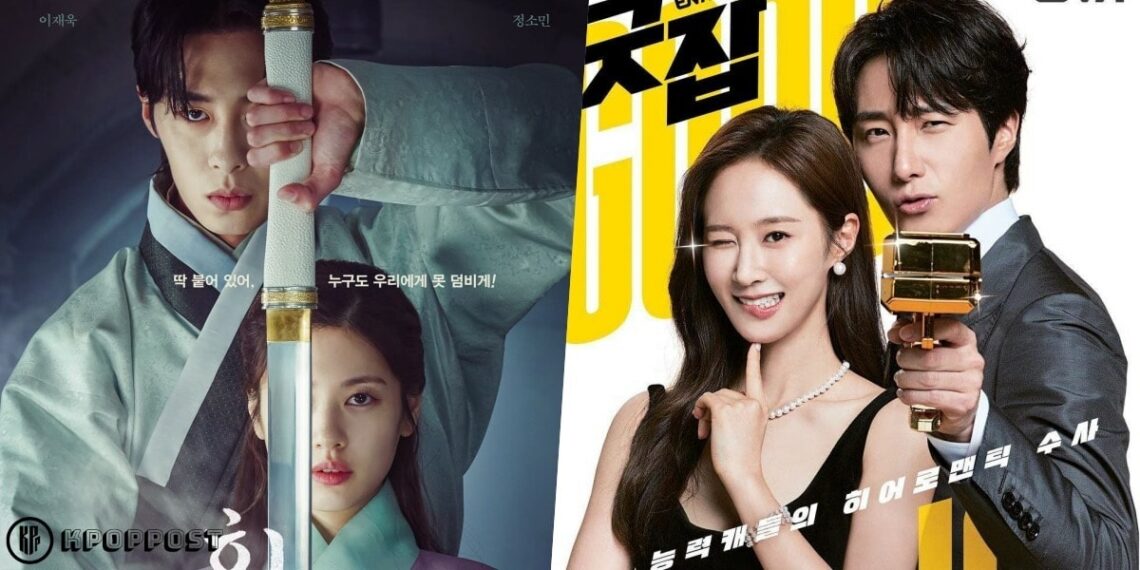
This isn’t just fanfare—it’s industry validation. - Min and Kim were both shortlisted for the International Emmy Awards before the season even finished airing. - All four leads have signed six-figure endorsement deals with global brands, from luxury fashion to tech. - They’re now being courted for Hollywood projects, with Min in talks for a Marvel spin-off.
The transformation is textbook career trajectory—except it happened in six weeks. That speed is unprecedented. And it underscores a shift: audiences no longer separate the show from its performers. Perfect Crown’s success is inseparable from its cast’s breakout.
Behind the Scenes: Casting That Felt Like Destiny
The production team didn’t go for bankable stars. They went for truth. Creator Eun-ji Lee, known for her minimalist storytelling, insisted on chemistry reads over résumés.
“We weren’t looking for the biggest names,” Lee said in a recent Deadline interview. “We were looking for people who could carry silence. Who could make you feel the weight of a glance.”
The casting process took nine months. Over 300 actors auditioned. The final ensemble was chosen not just for individual talent, but for how they moved as a unit. On-screen, their timing is almost telepathic. Off-screen, they’ve developed a reputation for intense rehearsal discipline—Min reportedly studied royal etiquette for 12 weeks, including posture, speech modulation, and ceremonial protocol.
That level of commitment translates. Viewers feel the authenticity. And authenticity is what fuels buzz.
How Perfect Crown Stays Relevant Post-Finale
Most dramas fade after the last episode. Perfect Crown gained momentum.
Within 48 hours of the finale, Netflix reported a 200% spike in rewatch rates. Fans aren’t just rewatching—they’re studying. The show’s layered dialogue, historical references, and visual metaphors reward repeat viewing. Streaming platforms have noted unusually high completion rates: 89% of viewers who started the series finished all 12 episodes.
The post-finale strategy amplified this: - A companion podcast with the cast and writers unpacks each episode’s themes. - Limited-edition collectible scripts were released, featuring annotated director’s notes. - A global fan summit was held in Seoul, London, and Los Angeles, drawing over 12,000 attendees.
Meanwhile, the cast has kept the energy alive. Kim launched a literacy initiative inspired by her character. Min gave a TED Talk on “Emotional Labor in Leadership.” Their off-screen presence reinforces the show’s themes—blurring the line between fiction and impact.
Industry Impact: Raising the Bar for Dramas
Perfect Crown isn’t just popular—it’s influential. Competing studios are fast-tracking royal intrigue projects. Networks are reevaluating their casting processes, prioritizing emotional authenticity over box-office names.
More importantly, the show has proven that international dramas can dominate global conversations without relying on subtitles as a novelty. It’s not “foreign content”—it’s content, period.
Streaming platforms are now investing more in long-form, serialized storytelling with complex characters. The days of formulaic rom-coms and procedural knockoffs dominating K-drama exports may be waning. Audiences want substance. They want stakes. They want performances that leave marks.
Perfect Crown delivered all three.
The Ripple Effect on Actor Rankings

Actor popularity isn’t just about fame—it’s about gravitas. And that’s where Perfect Crown has changed the game.
Traditional rankings often favor visibility: red carpet appearances, social media clout, or viral challenges. But newer metrics—critical acclaim, cultural impact, and narrative influence—are gaining weight. Variety now includes “performance depth” as a scoring category. Forbes’ annual “Breakout 30” list highlighted three Perfect Crown stars this year.
The message is clear: audiences care less about celebrity and more about contribution. And Perfect Crown’s cast didn’t just show up—they transformed.
What Other Dramas Can Learn
Want to replicate Perfect Crown’s success? Start here: - Write characters, not archetypes. The royal family isn’t noble by default—they earn it through struggle. - Cast for chemistry, not convenience. Spend the time. Do the reads. Trust the process. - Let actors own their roles. Min improvised the prince’s stutter during panic attacks—a detail now cited in psychology courses. - Respect the audience’s intelligence. No spoon-feeding. No forced twists. - Build a world, not just a set. The palace in Perfect Crown feels lived-in because it was constructed with historical accuracy, right down to the floor tiles.
Too many dramas chase trends. Perfect Crown set one.
This level of success isn’t replicable overnight. But it is achievable—with vision, patience, and a refusal to compromise.
Final Word: Culture Moves When Stories Matter
Perfect Crown didn’t dominate rankings because it was hyped. It dominated because it mattered. Its stars didn’t rise because they were marketed—they rose because they earned it, scene by quiet, devastating scene.
In an age of disposable content, that kind of depth is rare. And when it appears, it doesn’t just trend. It resonates.
For creators, the lesson is clear: invest in performance. Trust your cast. Let silence speak.
For viewers, the takeaway is simpler: pay attention. The next cultural shift might begin not with a bang, but with a glance between two actors who understand what it means to rule—and to be ruled.
FAQ
What is Perfect Crown about? Perfect Crown follows a fictional royal family in a constitutional monarchy facing internal betrayal, public unrest, and personal crises, blending political drama with intimate character studies.
Who are the main stars of Perfect Crown? Ji-Hoon Min (Crown Prince Seo-joon), Yuna Kim (Princess Hye-rin), Byung-chul Han (King Min-jae), and Soo-ah Park (journalist Na-ri).
Why is Perfect Crown so popular? Its combination of sharp writing, authentic performances, cultural relevance, and global accessibility has created sustained viewer engagement and critical acclaim.
Are the actors in Perfect Crown real royalty? No. The cast are professional actors. However, they underwent extensive training in royal mannerisms and historical context for authenticity.
Has Perfect Crown won any awards? Yes—it has received multiple nominations, including International Emmys and Asian Television Awards, with wins in Best Direction and Best Ensemble.
Is there a second season of Perfect Crown? The series was designed as a limited run, but creators have not ruled out a spin-off or prequel focusing on earlier royal conflicts.
Where can I watch Perfect Crown? It’s available exclusively on Netflix in over 190 countries, with subtitles in 32 languages.
FAQ
What should you look for in Perfect Crown and Its Stars Redefine Buzzworthy Drama? Focus on relevance, practical value, and how well the solution matches real user intent.
Is Perfect Crown and Its Stars Redefine Buzzworthy Drama suitable for beginners? That depends on the workflow, but a clear step-by-step approach usually makes it easier to start.
How do you compare options around Perfect Crown and Its Stars Redefine Buzzworthy Drama? Compare features, trust signals, limitations, pricing, and ease of implementation.
What mistakes should you avoid? Avoid generic choices, weak validation, and decisions based only on marketing claims.
What is the next best step? Shortlist the most relevant options, validate them quickly, and refine from real-world results.